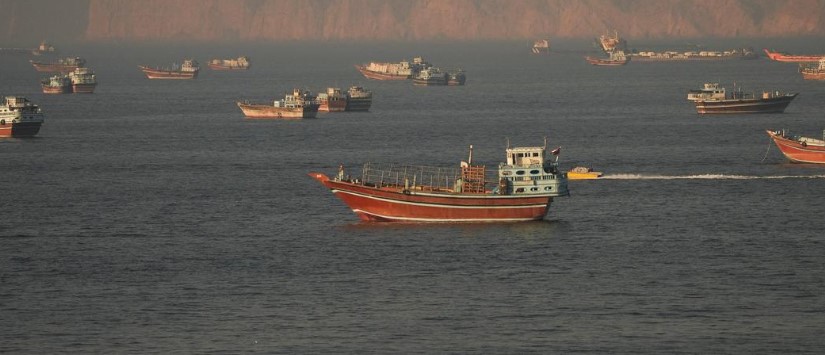
The United States has announced that commercial vessels will be allowed to pass through the Strait of Hormuz without paying tolls under a newly signed peace agreement with Iran, marking a significant step toward restoring stability in one of the world’s most important energy corridors. The memorandum of understanding, signed by senior leaders from both countries, is designed to end months of conflict and reopen the strategic waterway, which handles a substantial share of global oil and gas shipments.
According to U.S. officials, the agreement guarantees toll-free navigation through the strait during an initial 60-day period while negotiators work on a broader and more permanent peace settlement. Washington has emphasized that any economic incentives for Iran, including potential reconstruction funding and sanctions-related benefits, will depend on Tehran fulfilling its commitments under the deal. Officials also expect shipping traffic to gradually return to normal levels over the coming weeks as security concerns ease and maritime operations resume.
The Strait of Hormuz remains a critical global trade route, and its reopening has already boosted market confidence, contributing to lower oil prices and improved investor sentiment. However, some uncertainties remain. Iranian officials have suggested that while direct transit tolls may not be imposed, certain maritime service fees could still be charged, a point expected to be addressed in upcoming technical negotiations.
International leaders have welcomed the development, viewing it as an important breakthrough for regional security and global energy markets. Despite the optimism, analysts note that key issues, including Iran’s nuclear program and long-term security arrangements, remain unresolved. The coming weeks of negotiations will determine whether the temporary framework can evolve into a lasting peace agreement and ensure uninterrupted navigation through the vital waterway.