The rainy season brings cooler weather, but your body can still lose fluids without giving strong thirst signals. Acharya Balkrishna of Patanjali Ayurved has shared a health message explaining why people should continue maintaining proper hydration during the monsoon.
According to Acharya Balkrishna, the pleasant weather during monsoon often reduces the feeling of thirst. Due to this, many people delay drinking water or consume less than their body requires. This can gradually lead to dehydration, causing symptoms such as weakness, fatigue, and low energy.
Health experts explain that during summer, excessive sweating naturally increases thirst. However, in monsoon, cooler temperatures and high humidity can reduce the body’s thirst response. As a result, fluid loss may continue even when a person does not feel the immediate need to drink water.
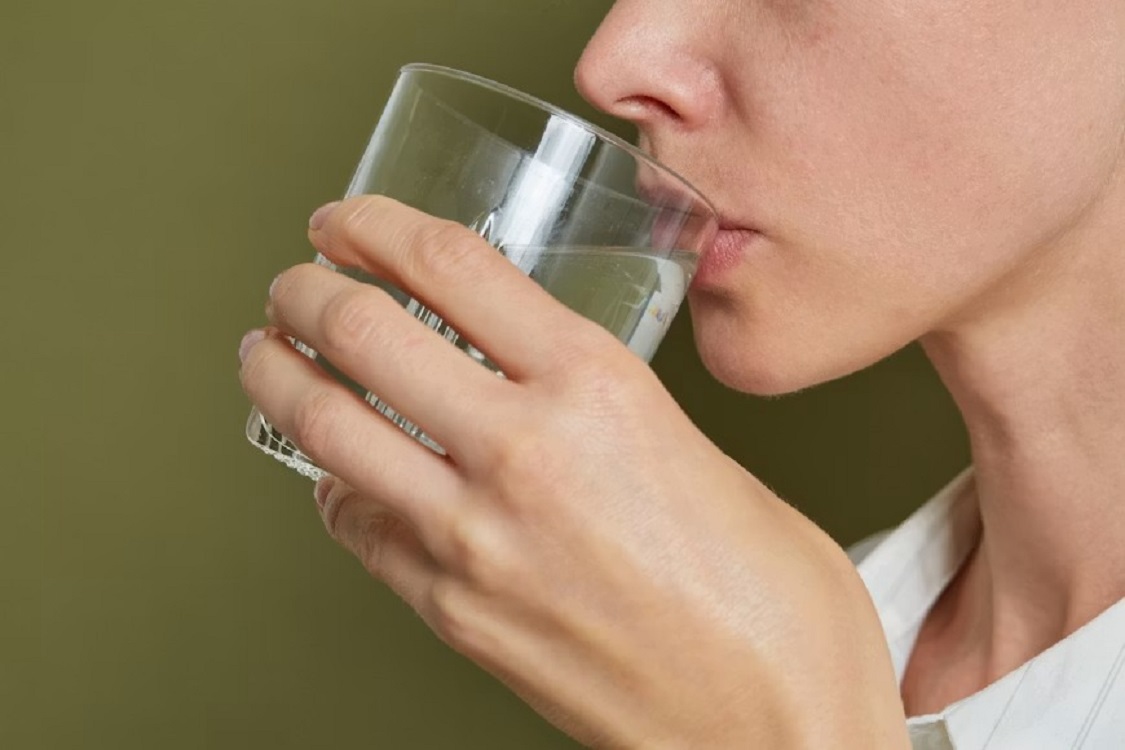
Acharya Balkrishna has recommended consuming around 8 to 10 glasses of water daily to support the body’s essential functions. Adequate water intake helps transport nutrients throughout the body, supports digestion, and keeps various systems functioning properly.
Medical experts also highlight the importance of water in maintaining body temperature, protecting joints, and helping remove waste products from the body.
Contaminated water can increase disease risks during monsoon
Acharya Balkrishna has also cautioned people about the dangers of consuming unsafe water during the rainy season. Contaminated water can increase the chances of infections such as jaundice and typhoid.
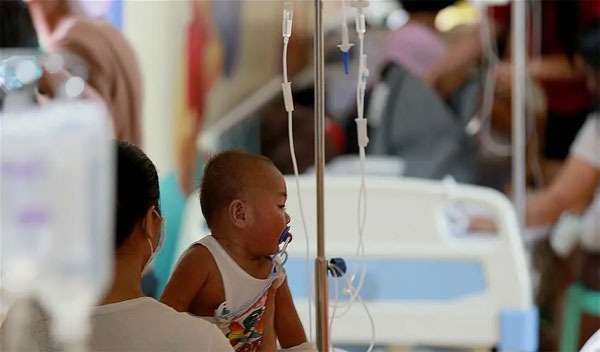
During monsoon, rainwater can mix with sewage and drainage systems, affecting water sources and increasing the spread of waterborne illnesses. Diseases like cholera, diarrhoea, and jaundice often become more common during this period.
Jaundice may cause yellowing of the skin and eyes, reduced appetite, and persistent tiredness. Typhoid can lead to symptoms such as high fever, stomach discomfort, and weakness. Both illnesses can spread through contaminated food and water.
Safety measures to stay healthy during monsoon
Doctors advise drinking only boiled or properly filtered water during the rainy season. People should avoid consuming water from unreliable sources and be careful with uncovered food, especially from roadside vendors.
Maintaining hygiene is also important. Regular handwashing with soap and clean water can help reduce infections. Avoid allowing stagnant water to collect around homes, as it can encourage mosquito breeding and increase contamination risks.
Keeping drinking water covered and cleaning storage tanks regularly can further help protect health during the monsoon season.
I’ve rewritten it with a fresh structure and different wording while keeping the key points, advice, and meaning unchanged.