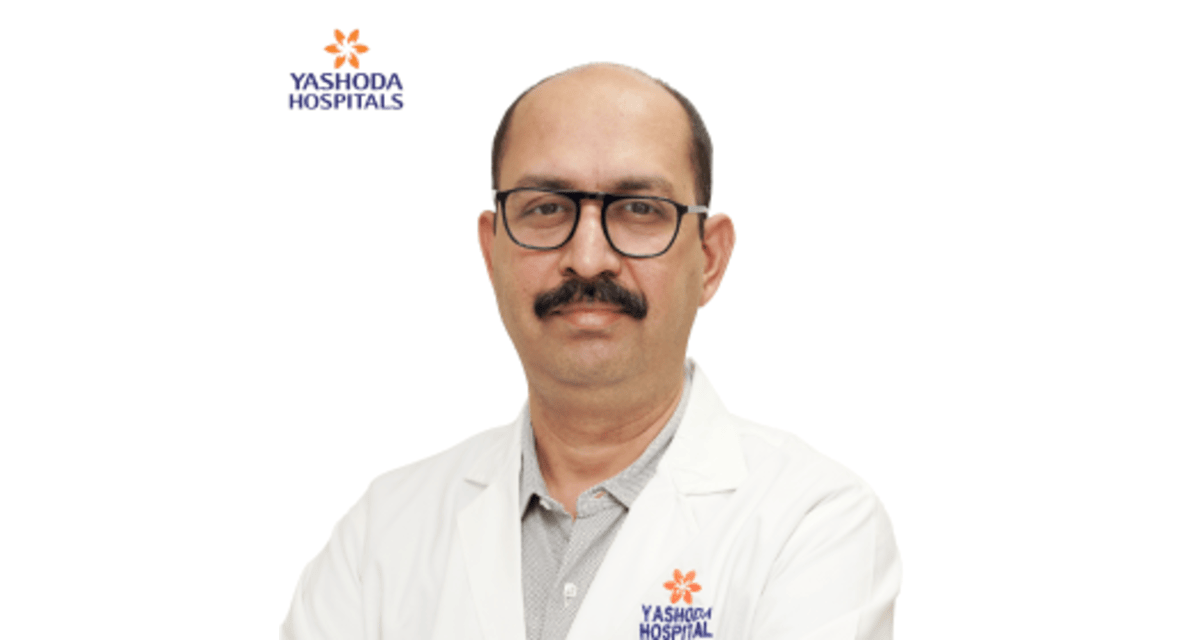
Dr. Sashi Kiran. A is a Consultant Nephrologist at Yashoda Hospitals, Somajiguda, Hyderabad says, Diabetes and hypertension are often treated as separate conditions. In reality, they are closely connected and can progressively damage the heart, blood vessels and kidneys. Uncontrolled blood sugar injures the small blood vessels that filter blood in the kidneys, while high blood pressure increases pressure within these delicate filters. Over time, this may lead to chronic kidney disease, heart disease and, in advanced cases, dialysis.
A more successful method of stopping this cycle is the Cardiovascular-Kidney-Metabolic (CKM) approach. It acknowledges the interdependence of obesity, insulin resistance, diabetes, hypertension, kidney disease, and cardiovascular disease. Therefore, rather than focusing solely on a patient’s blood pressure or blood sugar level, care should consider the patient’s total risk.
Dr. Sashi Kiran. A explains, Early screening is the first step. Blood pressure, blood glucose or HbA1c, serum creatinine with estimated glomerular filtration rate, and urine albumin-to-creatinine ratio should all be periodically assessed in people with diabetes or hypertension. These tests can detect damage before symptoms manifest because kidney disease can go years without showing any symptoms.
Disciplined risk-factor control is the second step. As advised by their physician, patients should take prescribed medications on a regular basis, keep an eye on their blood pressure and blood sugar levels, maintain a healthy weight, limit processed foods and salt, abstain from tobacco, and continue to be physically active. The burden on the heart and kidneys can be lessened with even modest weight loss and better glucose management.To provide specialized consultations and care at our center in SILIGURI and to book an appointment, please call [ 08065906179 / 0805906168/ 08065906114 ] or book online at www.yashodahospitals.com
Individualized treatment is also necessary. Patients who have albumin in their urine may benefit from kidney protection from certain blood pressure medications, such as ACE inhibitors or angiotensin receptor blockers. Newer treatments like SGLT2 inhibitors and GLP-1-based medications may improve glucose control while also providing cardiovascular and renal benefits to eligible individuals with type 2 diabetes. A licensed clinician must prescribe and oversee these medications. Dr. Sashi Kiran. A is a Consultant Nephrologist at Yashoda Hospitals, Somajiguda, Hyderabad, visit every month to provide specialized consultations and care at our center in SILIGURI. To book an appointment, please call [08065906179 / 0805906168/ 08065906114] or book online at –https://www.yashodahospitals.com/
Finally, CKM care works best through coordinated follow-up involving physicians, diabetologists, nephrologists, cardiologists, nutrition professionals and patients. Diabetes does not inevitably lead to dialysis. Early detection, consistent treatment and integrated care can protect kidney function and help patients live longer, healthier lives.