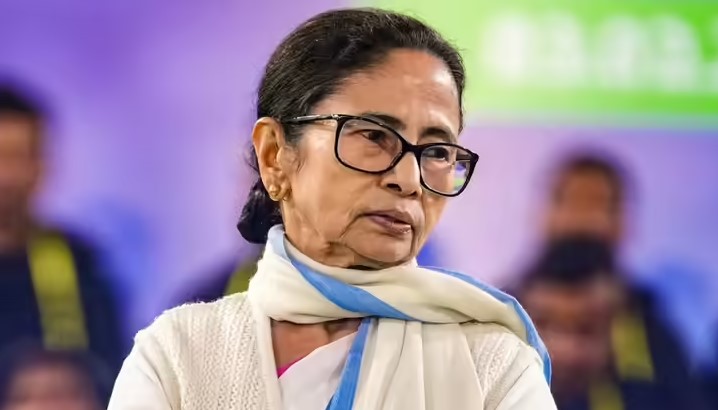
The 2026 elections were a big blow to two of India’s most powerful regional leaders, Mamata Banerjee and M.K. Stalin. This raises urgent questions about their political future. In a shocking turn of events, both leaders lost personal and party-wide battles in their traditional strongholds, which were once thought to be impenetrable fortresses. In West Bengal, the TMC fell apart, and Banerjee lost in her own state, where the BJP took advantage of a decade’s worth of complaints. At the same time, the DMK in Tamil Nadu faced an unexpected surge from a newly energized opposition. This put Stalin’s leadership under a lot of scrutiny as the party lost important districts in the Kaveri delta and urban Chennai.
These “backyard” losses point to a big change in how voters think. Local identity and regional pride no longer protect them from national political waves. Banerjee sees the loss as a sign that the grassroots machinery that used to define her “Maa Mati Manush” ideology is no longer working. For Stalin, the setback calls into question his story about the “Dravidian Model” and how well it can deal with today’s economic worries. It is usually too soon to write the political obituary of such experienced veterans, but the size of these losses shows a “trust deficit” that won’t be easy to fix. As the political center of gravity moves away from these regional heavyweights, both leaders now have to come up with new ideas for their platforms or risk being left out in a national arena that is becoming more and more divided. It looks like the time of unchallenged regional dominance is coming to an end, and a more unstable and competitive multiparty world is taking its place.