
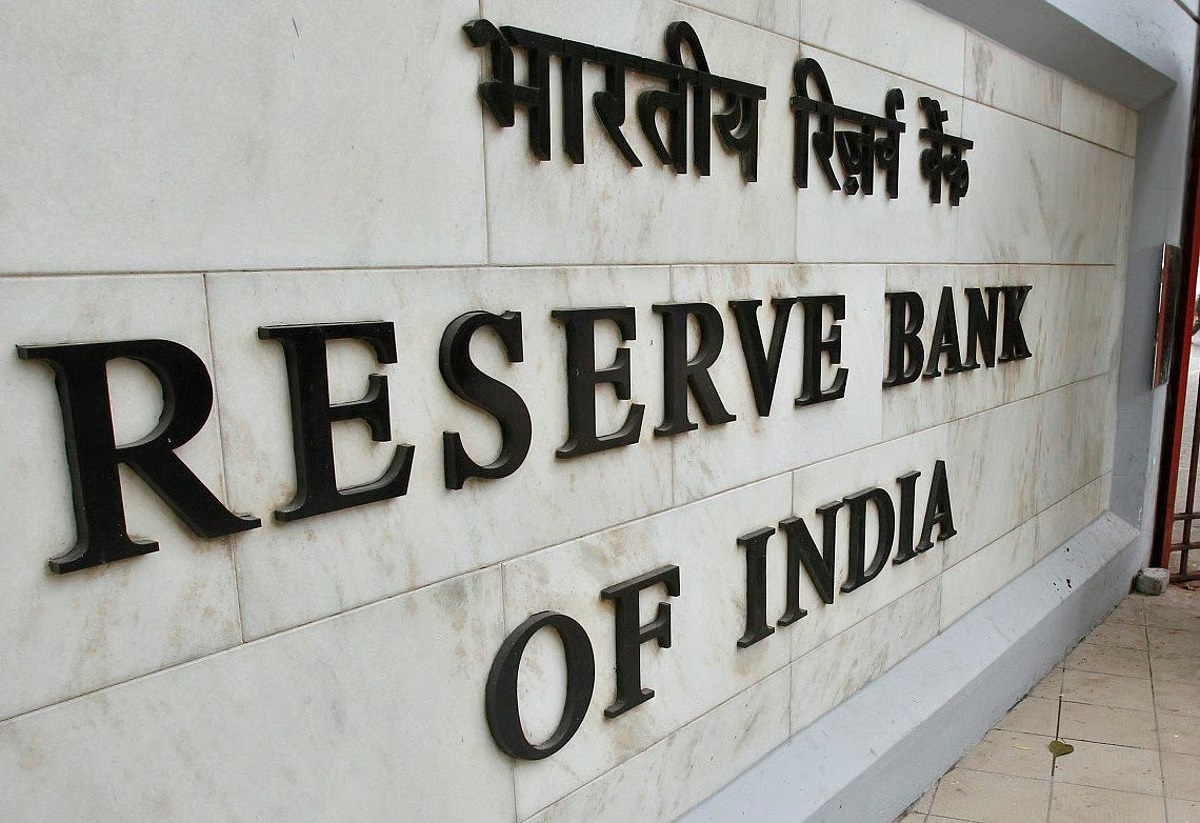
The Reserve Bank of India (RBI) has directed banks to strengthen measures against counterfeit currency by ensuring that all branches located in districts along international borders are equipped with note authentication and sorting machines. The move comes after the central bank found that some lenders were not adequately detecting fake currency notes.
In a circular issued on Friday, the RBI said banks should review and improve their existing systems to enhance their ability to identify, seize and report Fake Indian Currency Notes (FICNs) more effectively. Earlier, in its Master Directions issued in April, the RBI laid down detailed guidelines on the detection, reporting and monitoring of counterfeit banknotes. These instructions require banks to train all cash-handling staff to identify the security features of genuine currency notes and detect counterfeit notes accurately.
The central bank also reiterated that every banknote received at branches must be verified using machines. Any counterfeit note detected must be confiscated and reported as per prescribed procedures. Such notes must neither be returned to the person presenting them nor destroyed by the bank.
As part of the latest instructions, the RBI has made it mandatory for bank branches in districts bordering international boundaries to install note authentication and sorting machines. Existing guidelines already require all bank branches and designated back offices to be equipped with ultraviolet lamps or note authentication and sorting machines to facilitate counterfeit detection.
The RBI has further asked banks to adopt a focused approach toward staff training by conducting regular awareness and refresher programmes on the security features of genuine currency notes and the identification of fake notes. Banks have been instructed to complete positive training for all cash management staff by October 31, 2026. In addition, banks have been directed to use their Forged Notes Vigilance (FNV) cells to analyse counterfeit currency data, identify potential hotspots, monitor emerging trends and strengthen awareness and capacity-building efforts wherever required.