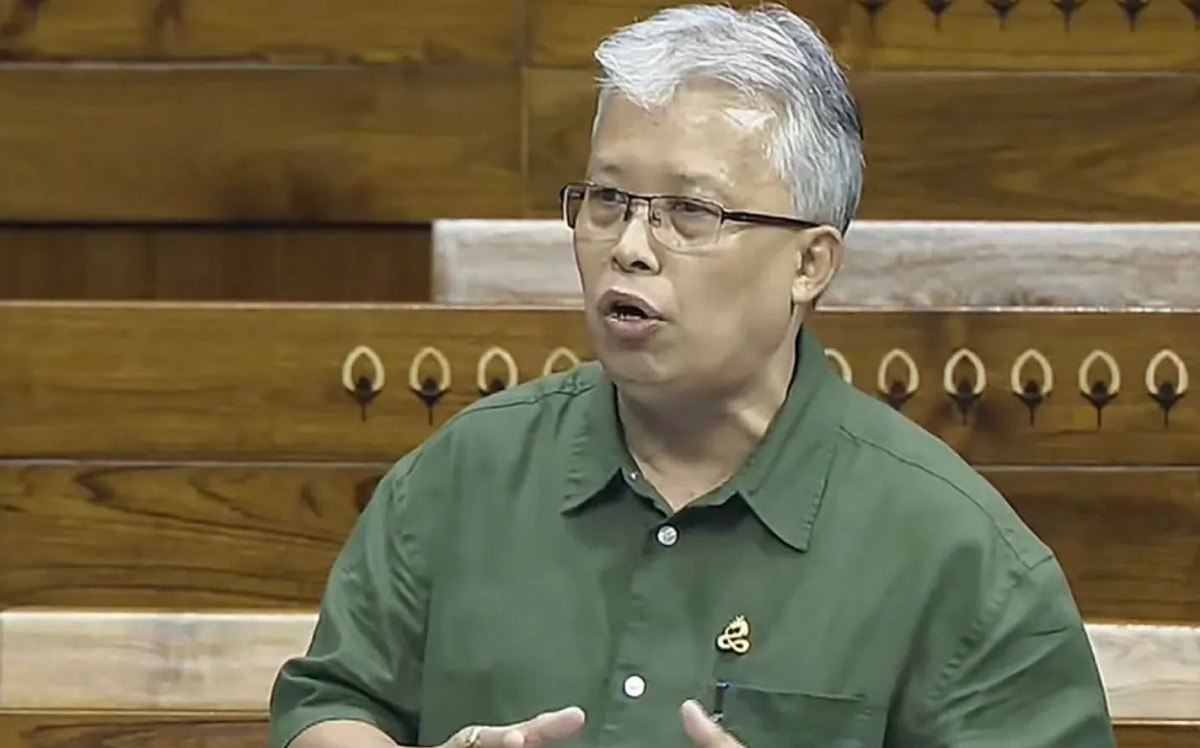
The controversy surrounding Congress MP Angomcha Bimol Akoijam intensified after Manipur Chief Minister Yumnam Khemchand Singh demanded his resignation from the Lok Sabha following his dismissal from Jawaharlal Nehru University (JNU) over allegations of sexual harassment. While the Chief Minister said the disciplinary action had stripped Akoijam of the moral authority to continue as a public representative, the MP has strongly rejected the charges and described the university’s action as a “witch hunt”.
Akoijam questioned the procedure followed by JNU in removing him from service with immediate effect. He claimed that he had neither received the Internal Committee’s inquiry report nor its findings and recommendations before learning about his dismissal through media reports. According to him, the university denied him an opportunity to challenge the findings before imposing the punishment.
The dismissal order issued by JNU Vice-Chancellor Santishree D. Pandit stated that the Internal Committee, after investigating allegations of sexual harassment, had recommended major punishment. The university subsequently dismissed Akoijam from service, saying the decision was taken after following due process.
However, Akoijam argued that the prescribed regulations were not followed. Referring to JNU rules, he claimed that concerned parties are entitled to appeal against the findings and recommendations of the Internal Committee within a specified period. He further said that he was never provided the report, making it impossible for him to exercise his right to challenge the findings.
The Congress MP also accused the university administration of violating confidentiality provisions under the Sexual Harassment of Women at Workplace (Prevention, Prohibition and Redressal) Act, 2013. He alleged that the disclosure of his identity and details related to the proceedings amounted to a breach of legal safeguards intended to protect confidentiality.
Escalating his political attack, Akoijam accused BJP and RSS leaders in Manipur of attempting to use the controversy to target and intimidate him politically. He alleged that the action against him was politically motivated and claimed that constitutional processes and institutional safeguards had been undermined.
Rejecting the allegations levelled against him, Akoijam said he would challenge the dismissal through legal and political means. He maintained that he had received support from former students and supporters across the country and vowed to continue fighting what he described as an injustice.
The dispute now centres on two parallel issues: the university’s decision to dismiss Akoijam following an inquiry into sexual harassment allegations, and his contention that the inquiry process and disciplinary action violated established procedures and confidentiality norms. While JNU maintains that its action followed due process, Akoijam insists that key procedural safeguards were ignored and has indicated that he will seek legal remedies.