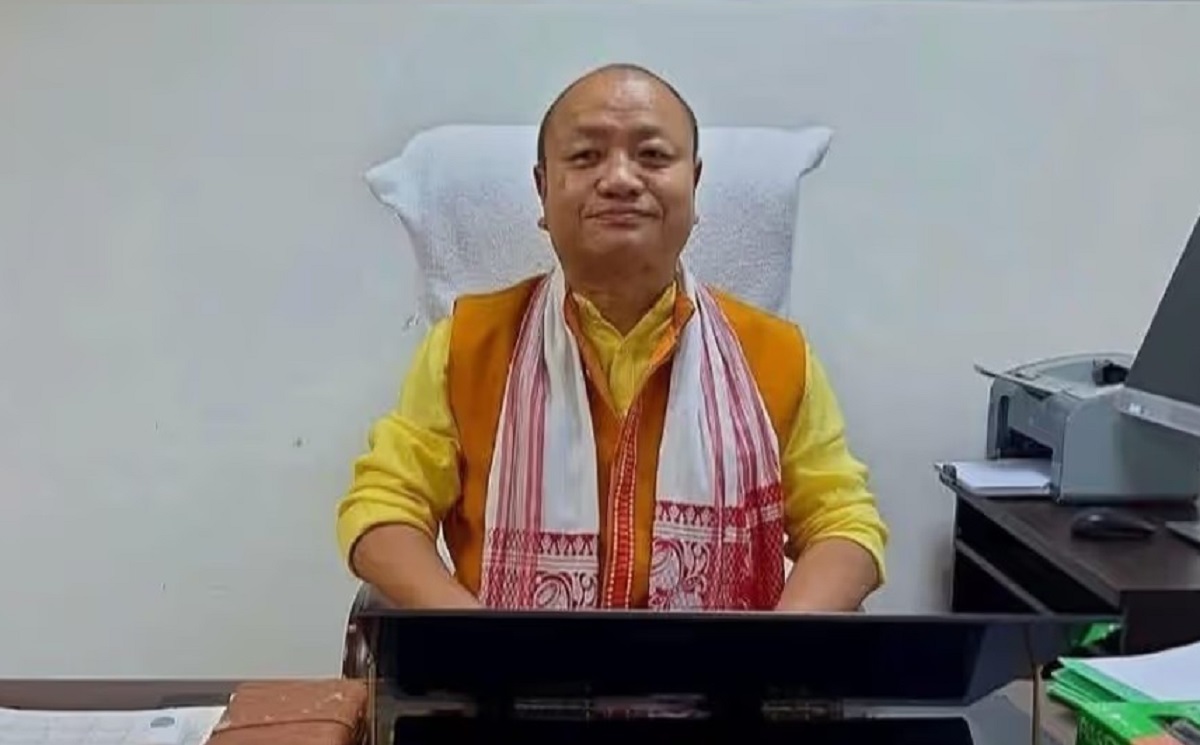
Rajya Sabha MP Tai Tagak has raised concerns over inadequate river monitoring in Arunachal Pradesh and called for stronger flood management measures, improved early warning systems and comprehensive safety assessments of hydropower projects across the Himalayan region.
Speaking at a meeting of the Parliamentary Standing Committee on Water Resources in New Delhi on October 30, Tagak stressed the need to strengthen the Flood Management and Border Areas Programme (FMBAP), citing Arunachal Pradesh’s difficult terrain, geographical vulnerability and strategic location along India’s international borders.
The meeting was held as part of the committee’s examination of the project appraisal framework and accountability mechanisms of the Central Water Commission (CWC). Senior officials of the Ministry of Jal Shakti and the CWC attended the meeting.
Drawing attention to the state’s extensive river network, Tagak said Arunachal Pradesh shares international borders with China, Bhutan and Myanmar and requires special attention in matters relating to flood management and river monitoring.
He pointed out that every district in the state is named after a river, highlighting the importance of river systems to its geography, ecology and people’s livelihoods.
Expressing concern over what he described as inadequate monitoring by the regional office of the CWC and the Brahmaputra Board, the MP called for systematic and continuous surveillance of rivers, water levels and vulnerable stretches across the state.
He stressed that regular monitoring was essential to identify emerging threats and help authorities take preventive measures before flooding caused widespread damage. He also called for stronger early warning mechanisms to ensure timely alerts, particularly in areas where difficult terrain can make disaster response and rescue operations challenging.
On flood management, Tagak sought adequate financial and technical support under the FMBAP to strengthen river protection measures, address erosion and develop infrastructure for disaster mitigation.
He also drew attention to the growing threat of Glacial Lake Outburst Floods (GLOFs) in the Himalayan region. Such events occur when water stored in glacial lakes is suddenly released, potentially causing destructive floods in downstream areas.
Tagak highlighted the possible consequences of GLOFs for downstream settlements, public infrastructure and hydropower projects, stressing the importance of assessing risks associated with such events.
Referring to the collapse of the Teesta-III hydroelectric dam in October 2023, he emphasised the need to examine the vulnerability of both existing and under-construction dams to GLOF events.
His intervention highlighted the need for stronger river surveillance, improved flood preparedness and detailed safety assessments of hydropower infrastructure in the Himalayan region, where extreme weather events and difficult geographical conditions pose significant challenges to disaster management.
The concerns raised by the MP also underscored the importance of coordination among water resource agencies and adequate financial and technical support to improve flood management and protect vulnerable communities in Arunachal Pradesh.