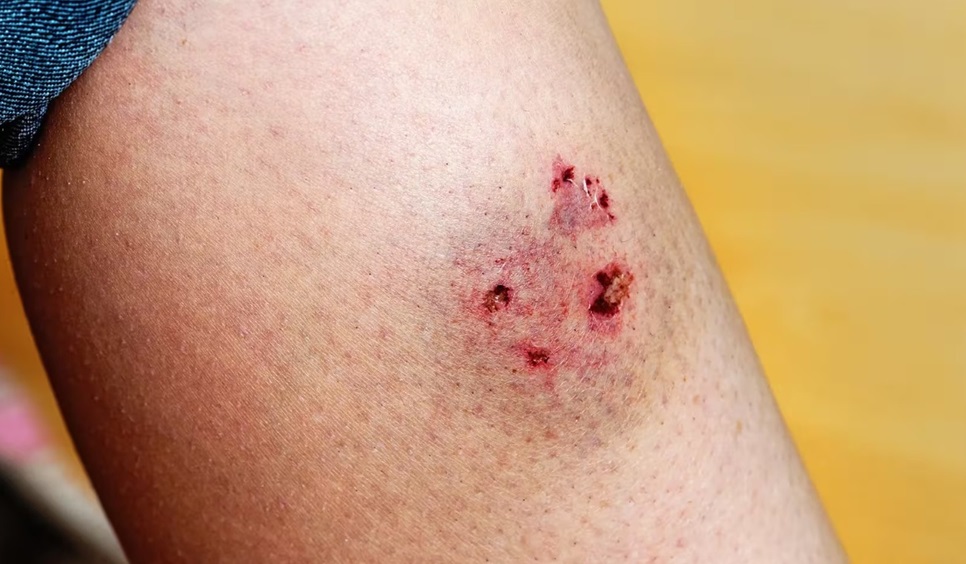
Although a dog bite or scratch can look like a small injury, it requires immediate attention because rabies is a viral infection targeting the central nervous system that becomes almost invariably fatal once clinical symptoms appear, though entirely preventable through prompt wound care and post-exposure prophylaxis including the rabies vaccine, particularly given that dogs cause about 99% of human rabies cases globally and India alone records an estimated 9.1 million animal bites and thousands of annual deaths, emphasizing why World Rabies Day on September 28 reminds us never to wait for symptoms after a risky exposure, beginning immediately with thoroughly washing the wound with soap and running water for a full 15 minutes to wash away saliva and lower the viral load, after which an iodine-containing virucidal preparation can be applied while strictly refraining from using harmful irritants like chilli powder or plant juices that only damage tissue, and moving quickly to visit a healthcare facility or anti-rabies clinic for professional evaluation rather than waiting for the dog to show signs of illness, noting that while a healthy animal can undergo a 10-day observation under supervision, it must never delay necessary medical treatment in endemic areas, because the WHO classifies exposures into three distinct levels ranging from Category I licks on intact skin needing no PEP, to Category II minor scratches without bleeding requiring washing and immediate vaccination, up to Category III skin-penetrating bites or mucous membrane saliva contact that demand washing, vaccination, and rabies immunoglobulin or monoclonal antibodies, meaning no scratch that breaks the skin should ever be dismissed as harmless.
How to Properly Treat Dog Bites and Scratches Plus the Mandatory Vaccines to Prevent Infection