
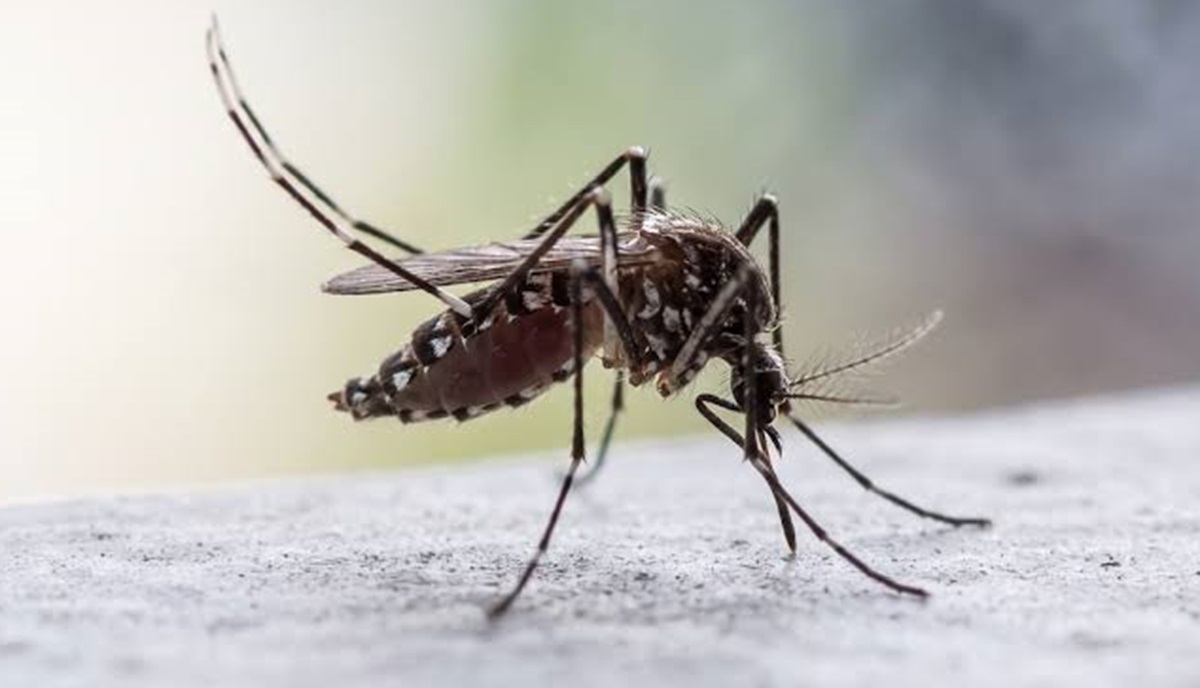
West Bengal has recorded more than 5,000 dengue cases so far this year, prompting the state health department to identify 29 municipalities, 85 community development blocks and 278 village panchayats as dengue hotspots.
A State Health Department official said health workers are conducting more intensive and random blood sample testing in these areas as they have reported the highest number of dengue-positive cases over the past month. The department is also stepping up awareness campaigns and surveillance activities in the identified hotspots.
According to the official, the department follows specific criteria to identify a dengue hotspot. A village panchayat is classified as a hotspot when it records 10 or more dengue cases, while a community development block is designated a hotspot if more than 30 people are affected. A municipality is identified as a hotspot when a majority of its wards report five or more dengue cases.
The health department is also urging people experiencing dengue-like symptoms, particularly continuous fever for two or more days, to undergo blood tests instead of relying on self-medication. The official said self-medication among people with prolonged fever has become a concern in several hotspot areas and could worsen the situation.
“People with fever for two or more days are often resorting to self-medication instead of consulting a medical practitioner. This is aggravating the crisis,” the official said, adding that awareness drives are being conducted to encourage people to visit the nearest health centre or consult a doctor for appropriate testing and treatment.
Alongside testing and awareness campaigns, health workers are conducting door-to-door surveillance to prevent mosquito breeding. Residents are being advised to keep water tanks and cisterns covered and to use mosquito nets or other suitable covers where necessary. People are also being asked to prevent water from collecting in flowerpots, abandoned containers and other places around their homes.
The department is carrying out surveillance at ponds, drains, pools, dry canals, unused wells and factories. Larvicides are also being used in accordance with prescribed guidelines.
According to the latest dengue bulletin issued by the health department on Sunday, West Bengal had recorded 5,002 dengue cases as of September 11. The figure is significantly higher than the number recorded up to the same date in August, when fewer than 2,500 cases had been reported. This means around 2,500 new cases were recorded over the past month.
Murshidabad has reported the highest number of dengue cases so far, with 1,072 infections. Kolkata follows with 500 cases, while North 24 Parganas has reported 450 cases.