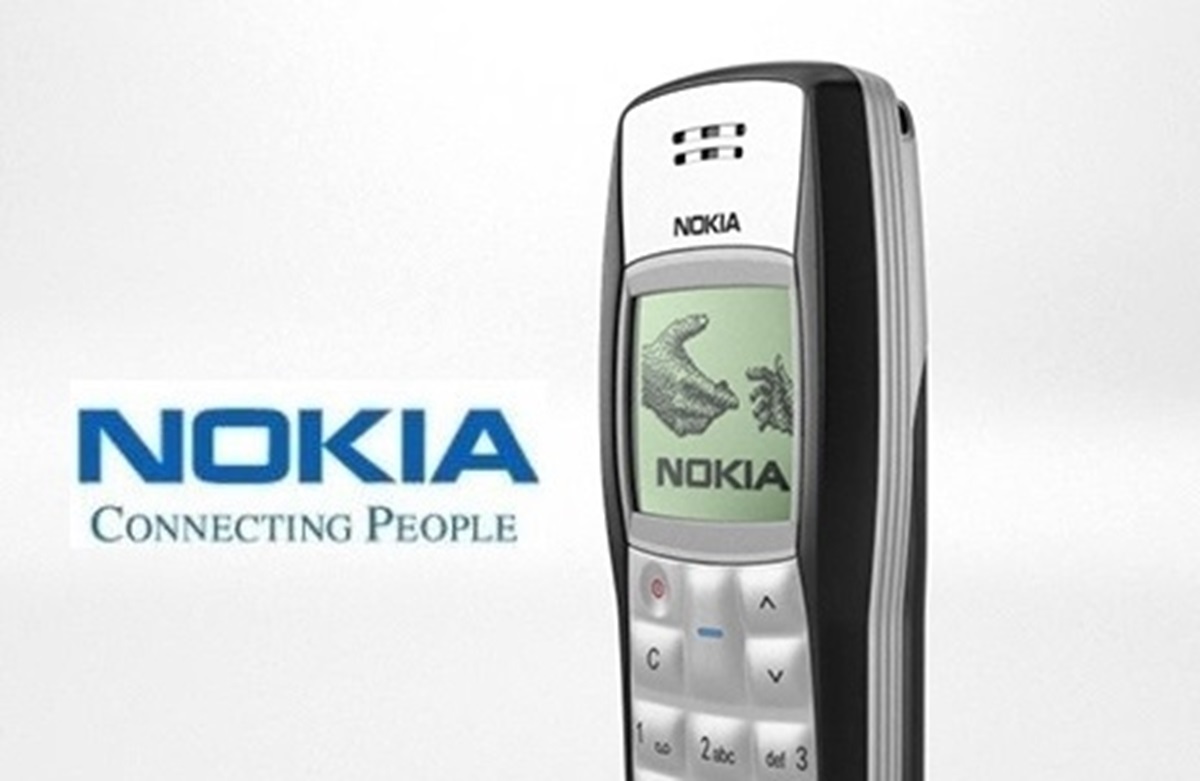
The Nokia 1100 remains one of the most iconic mobile phones ever made. Launched on August 27, 2003, the device transformed the mobile phone market, particularly in developing countries such as India. Even years after its discontinuation, the phone continues to evoke nostalgia among millions of people who remember it as their first mobile device.
The Nokia 1100 went on to become the best-selling mobile phone in consumer electronics history, with more than 250 million units sold worldwide during its production run. Its phenomenal success also contributed to Nokia’s golden era, when the Finnish company controlled nearly 40 percent of the global mobile phone market.
The phone was specifically designed with developing markets such as India, China, Russia, African countries and Latin America in mind. At the time, consumers in these regions were highly price-sensitive, and Nokia believed that most users primarily needed basic features such as calling, texting and an alarm clock rather than advanced smartphone-like capabilities.
When it arrived, the Nokia 1100 was among the company’s most affordable phones, making mobile connectivity accessible to millions of first-time users. Its simple design and reliable hardware further helped it become extremely popular.
One of the phone’s standout features was its built-in flashlight. A single LED light was placed on the top of the device, offering a useful source of light in areas where access to electricity was limited. The phone also offered impressive battery life, with standby time of nearly 400 hours on a full charge, reducing the need for frequent charging.
Durability was another major strength of the Nokia 1100. The keypad and front portion were designed to be highly resistant to dust, while the hardware was built to cope with humid weather conditions. These features made the handset particularly suitable for challenging environments.
The Nokia 1100’s exterior was designed at Nokia’s design centre in California, while its US design patent was credited to Bulgarian-American designer Dimitre Mehandjiysky. The phone’s software was adapted and ported in Copenhagen by members of Nokia’s S30 software group.
The handset also holds a remarkable place in Nokia’s history. The company’s billionth mobile phone sold was a Nokia 1100 purchased in Nigeria in 2005.
The Nokia 1100 and its variants were among the final phones to feature monophonic ringtones. Users could choose from 36 pre-installed tones or create up to seven custom tones. The phone initially offered storage for 50 text messages and included practical tools such as a calculator, stopwatch and games.
After years of massive popularity, Nokia officially discontinued the 1100 in September 2009. However, its legacy remains strong, particularly in India and other developing markets where the phone became synonymous with the early days of mobile connectivity.
For millions of users, the Nokia 1100 was more than just a phone. It was their first step into the mobile world—and a device that helped create a craze for owning a mobile phone long before smartphones became a part of everyday life.