
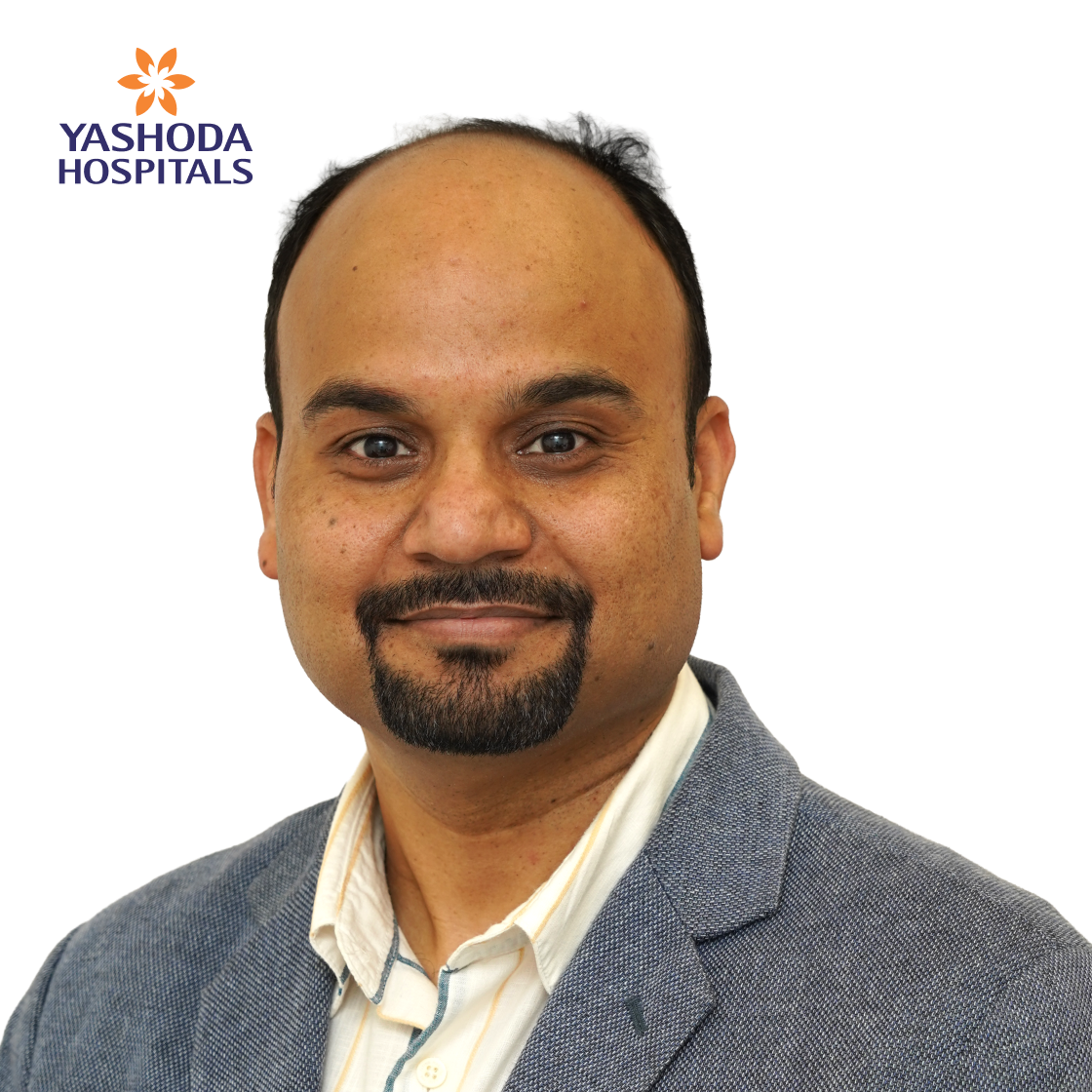
Dr. Anoop Agrawal is a Senior Consultant, Interventional Cardiologist at Yashoda Hospitals, Hyderabad says, Diabetes, high blood pressure, and high cholesterol are the three main risk factors that can be managed to prevent cardiovascular disease. When these are addressed collectively, artery damage, inflammation, and the risk of clot formation are decreased.
Both microvascular and macrovascular risks are reduced in diabetics who maintain good glycemic control. Adherence to glucose-lowering drugs, balanced meals with portion control, weight management, regular HbA1c monitoring (individualized targets), and at least 150 minutes of moderate exercise per week are crucial. The heart is further protected by quitting smoking and getting screened for neuropathy and renal disease.
Dr. Anoop Agrawal explains hypertension increases the risk of stroke and speeds up atherosclerosis. Fundamental lifestyle changes include reducing salt intake, consuming less alcohol, reducing extra weight, engaging in regular exercise, and managing stress. Treatment is guided by accurate blood pressure monitoring at home and in a clinic. Antihypertensive medications (ACE inhibitors, ARBs, calcium-channel blockers, and diuretics) should be customized when lifestyle modifications are insufficient. Cardiovascular events are considerably reduced when blood pressure reaches goal levels.To provide specialized consultations and care at our center in SILIGURI and to book an appointment, please call [08065906114 / 08065906179] or book online at -https://www.yashodahospitals.com/
Plaque accumulation is encouraged by high LDL cholesterol. LDL can be reduced by eating a diet high in fiber and plant-based foods, low in trans and saturated fats, and getting frequent exercise. The main pharmacologic treatment is statins, which lower the risk of heart attacks and strokes. For patients who are extremely high-risk or intolerant to statins, ezetimibe or PCSK9 inhibitors may be administered. Periodic lipid panels evaluate adherence and efficacy.
Results are enhanced by patient education and coordinated care. Adherence is improved by shared decision-making, well-defined objectives, and collaboration amongst primary care, cardiology, endocrinology, dietitians, and physiotherapists. Long-term control is maintained by patients who are empowered by knowledge about drugs, lifestyle options, and warning flags. Dr. Anoop Agrawal is a Senior Consultant, Interventional Cardiologist at Yashoda Hospitals, Hyderabad, visit every month to provide specialized consultations and care at our center in SILIGURI . To book an appointment, please call [08065906114 / 08065906179] or book online at –https://www.yashodahospitals.com/
In conclusion, cardiovascular risk is significantly decreased by a combination of lifestyle changes, regular monitoring, and the right medications for diabetes, hypertension, and cholesterol. To safeguard heart health, early detection and ongoing treatment are essential.