
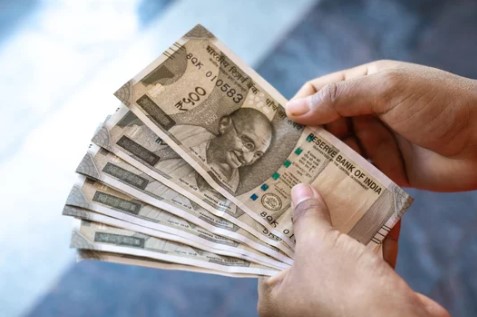
The Indian Rupee saw heavy selling pressure in recent trade and fell to a new all time low of 95.85 against the US Dollar, inching closer to the psychological 96-mark. The sharp depreciation is a reflection of a tighter global financial environment with persistent inflationary pressures and a strong Greenback. Trade deficits are widening and capital outflows are continuing as foreign institutional investors move to safer assets in the wake of rising geopolitical uncertainty, market analysts say.
The breach of the 95.85 threshold has raised concerns about imported inflation, especially as the cost of crude oil and other key raw materials for domestic importers is rising. The relentless run-up of the dollar has challenged the Reserve Bank of India’s (RBI) defensive moves, even as the central bank has used its interventions in the spot and forward markets to contain undue volatility in the past. Traders are on high alert for more intervention if the currency slides closer to the 96.00 level, which could trigger further automated sell-offs and pose further downside risks to market sentiment.
But some experts say a weaker rupee may give a slight competitive edge to India’s export sector, especially in IT services and textiles, even as the currency weakens. But priority is given to stabilizing the exchange rate and preventing a wider spillover into the country’s macro-economic stability. With the global appetite for high yielding US Treasury bonds still continuing, the rupee movement will depend on the upcoming policy decisions of the RBI and possible change in the interest rate trajectory of the US Federal Reserve. For now, the 96-level is a key demarcation for both policymakers and investors.