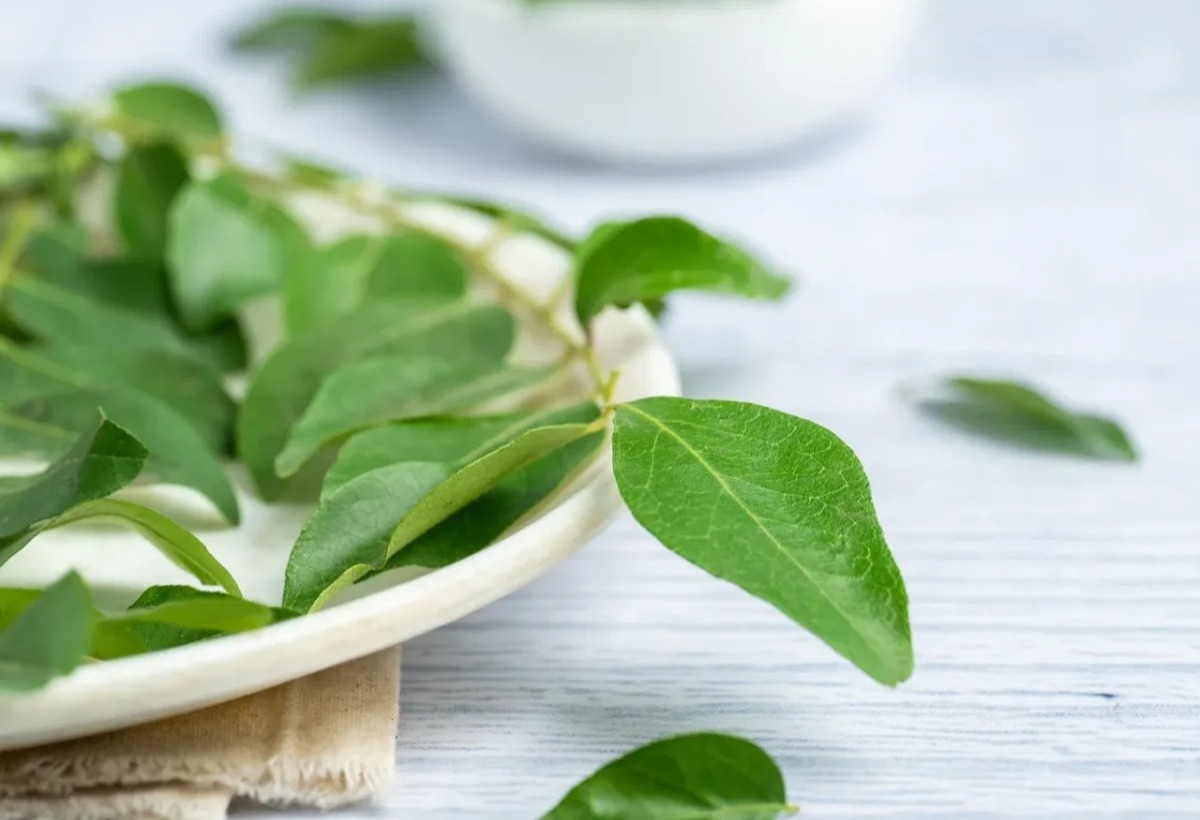
Curry leaves, sometimes referred to as sweet neem leaves or kadi patta, are fragrant leaves that are frequently used in Indian cooking to enhance the flavor and aroma of a variety of meals. They originate from the curry tree (Murraya koenigii), which is indigenous to Sri Lanka and India. These leaves are frequently used in South Indian cooking, particularly in curries, chutneys, rice dishes, and soups. They have a strongly lemony and slightly bitter flavor. To unleash their flavor and aroma and improve the dish’s taste, they are put into hot oil at the start of cooking.
Curry leaves are thought to have various health benefits in addition to their culinary use. Antioxidants, vitamins A, B, and C, and minerals like calcium, phosphorus, and iron are abundant in them. These leaves are also recognized for their possible therapeutic qualities, such as improving hair quality, facilitating digestion, and reducing inflammation.
10 Health Benefits of Curry Leaves
Rich in Antioxidants: Curry leaves are a great source of antioxidants, including flavonoids, vitamin C, and vitamin A, which help counteract free radicals, lessen oxidative stress, and lower the risk of chronic illnesses.
Enhances Digestion: By boosting digestive enzymes, lowering indigestion, and promoting gastrointestinal health, these leaves help with digestion. Constipation and diarrhea are two conditions they can aid with.
Handles Diabetes: Curry leaves’ anti-hyperglycemic qualities may aid with blood glucose regulation. They may be able to control blood sugar levels and lessen insulin resistance.
Encourages Heart Health: They include substances with cardio-protective qualities, including as tannins and rutin. Curry leaves have the potential to cut cholesterol and heart disease risk.
Improves Hair Health: Curry leaves have a reputation for encouraging hair growth and decreasing hair loss. They have nutrients that nourish the scalp, prevent early graying, and build hair follicles.
Aids in Weight Loss: Because these leaves can promote metabolism, lower cholesterol, and improve digestion, they may help with weight control.
Improves Eye Health: Vitamin A, which is found in curry leaves, is helpful for eye health. Frequent use may enhance vision and help avoid diseases like cataracts.
Anti-inflammatory Properties: Curry leaves contain compounds with anti-inflammatory qualities that may help lower inflammation in the body and alleviate a number of inflammatory diseases.
Supports Liver Health: By cleansing the body and encouraging the removal of toxins, the antioxidants they contain support liver function.
Enhances Skin Health: The nutrients included in curry leaves, such as vitamin E, can help nourish the skin, enhance its texture, and offer defense against skin-related problems.