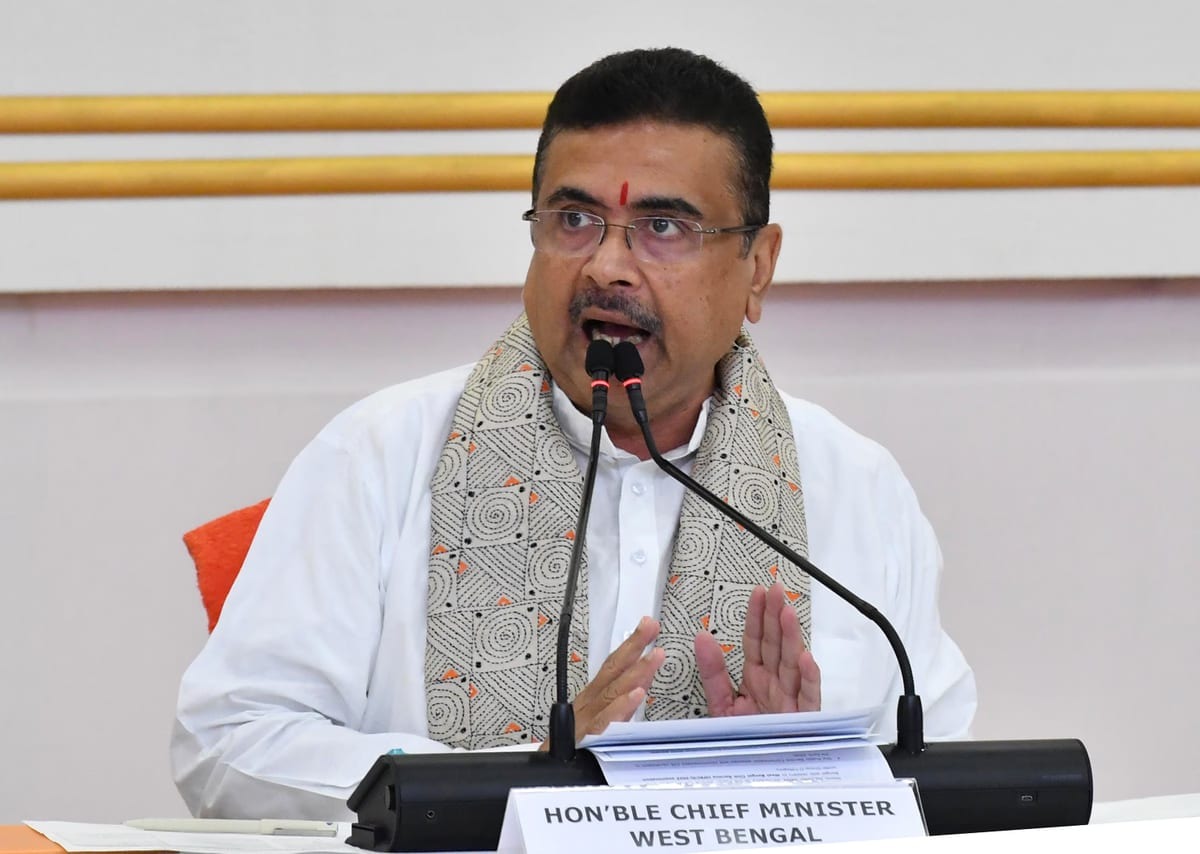
In a major bid to restore investor confidence and spur regional economic growth, the West Bengal government led by Chief Minister Suvendu Adhikari has unveiled the West Bengal Investment Promotion Policy, 2026. Designed to reverse the previous Mamata Banerjee administration’s stance on industrial incentives, the new policy establishes a non-lapsable, dedicated fund of ₹5,000 crore to ensure that promised fiscal benefits are delivered reliably. To build strong credibility among investors scarred by the retrospective repeal of incentives under the earlier regime, the government formally notified that agreed fiscal benefits will not be curtailed by subsequent policy changes once a certificate of intent is issued. The long-awaited policy aims to support job creation and drive output across both manufacturing and service sectors, catering to large-scale enterprises as well as small units. Eligible businesses—specifically those set up or expanded after the BJP government assumed power on May 9, 2026—will receive support through state GST refunds, electricity duty waivers, stamp duty and registration fee exemptions, and contributions toward the employees’ provident fund. To ensure equitable distribution across a larger number of industrial units, fiscal incentives will be subject to an annual cap and disbursed over a period of up to 10 years based on the volume of fixed capital investment. Addressing past concerns over sovereign commitments, senior bureaucrats highlighted that the non-lapsable nature of the newly dedicated fund directly eliminates the uncertainty that previously troubled the state’s business environment. However, the chief minister clearly stated that the government would not clear the backlog of past incentive dues, estimated at roughly ₹50,000 crore, citing the state’s current poor fiscal health. Accusing the prior administration of cheating industry by scrapping incentives retrospectively through a 2025 assembly law, Suvendu emphasized that resolving historical arrears could only be considered once West Bengal transforms into a fiscally surplus state comparable to Gujarat, Maharashtra, or Tamil Nadu. For now, the administration remains focused on laying a secure foundation for fresh incoming capital, framing this ₹5,000 crore allocation as a vital first step toward restoring commercial trust and rebuilding Bengal’s industrial momentum.
Suvendu Adhikari Government Restores Industrial Incentives to Boost Bengal’s Economic Growth