World First Aid Day 2026 will be observed on September 12, in line with the annual observance held on the second Saturday of September. This year’s theme, “First Aid in Migration Contexts,” focuses attention on the importance of accessible first-aid knowledge and preparedness.
Emergencies do not always happen when medical professionals are nearby. A person may suffer a cut, burn, fall, choking episode, fainting spell or sudden allergic reaction at home, at work, during travel or in a public setting. Knowing how to provide basic assistance in the first few minutes can help prevent a situation from becoming more serious and can sometimes prove lifesaving.
The International Federation of Red Cross and Red Crescent Societies (IFRC) notes that first aid is a skill that can be learned and used by anyone. It is meant to provide immediate care until professional medical assistance becomes available, rather than replace a doctor or hospital. For households, learning basic first aid and keeping essential supplies ready can be an important part of emergency preparedness.
When dealing with a cut or bleeding wound, hands should be cleaned if possible before applying firm and continuous pressure with sterile gauze or a clean cloth. The dressing should remain in place rather than being repeatedly removed to check the wound. Heavy or uncontrolled bleeding needs urgent medical care. Burns should be cooled with cool, running water for approximately 20 minutes as soon as possible, while ice, butter, toothpaste and other household products should not be applied. Serious, large or deep burns require professional medical assessment.
A choking person who cannot breathe, speak or cough effectively needs immediate assistance. If appropriate, encourage effective coughing and use trained choking-relief techniques when necessary. If the person becomes unresponsive, emergency services should be called and CPR started. For fainting, the person should be helped to lie down safely and their breathing should be checked. Food or water should not be given to anyone who is unconscious. Failure to regain consciousness quickly, breathing difficulties or an injury caused by the fall are reasons to seek emergency medical help.
If a fracture or serious injury is suspected, the injured area should be kept as still as possible. A visibly deformed limb should not be straightened. Severe pain, swelling, bleeding, numbness or difficulty moving the affected area require medical attention. In a CPR emergency, anyone who is unresponsive and not breathing normally needs emergency medical assistance immediately. CPR should be started by a trained responder, and an AED can be used if one is available.
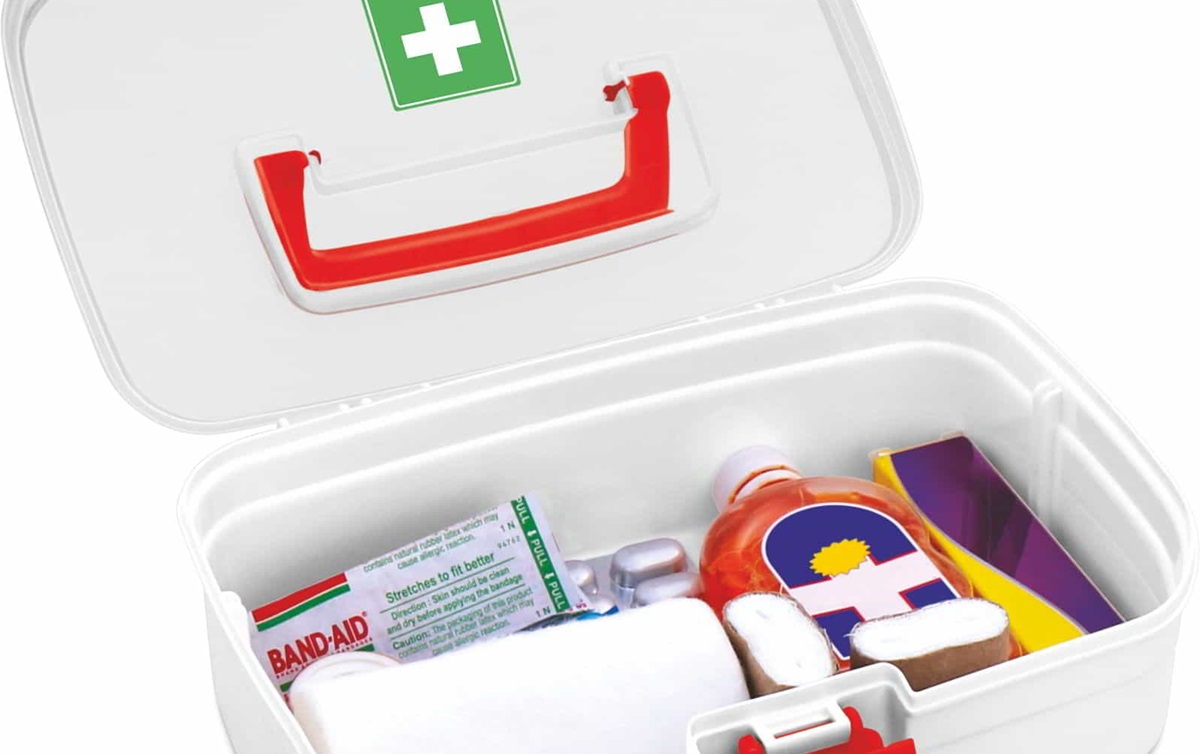
A basic first-aid kit at home should be easy to locate and regularly inspected. It may contain sterile gauze pads, adhesive bandages, medical tape, antiseptic wipes or solution, disposable gloves, wound-cleaning materials, scissors, tweezers, a digital thermometer, an instant cold pack, a triangular bandage, an emergency blanket and a CPR face shield or breathing barrier. Keeping emergency contact numbers and regularly required personal medicines in the kit may also be useful.
Medicines should only be included when appropriate and should be stored securely and checked for expiry. They should be used according to medical advice or the instructions on the label. Families can also adjust their first-aid supplies depending on whether they have children, older adults or members with allergies or chronic conditions. Being prepared with basic knowledge and essential supplies can help people take appropriate action until professional medical help arrives.