
Assam’s tea industry is facing mounting pressure as devastating floods, extreme weather conditions and pest infestations disrupt production and drive down auction prices.
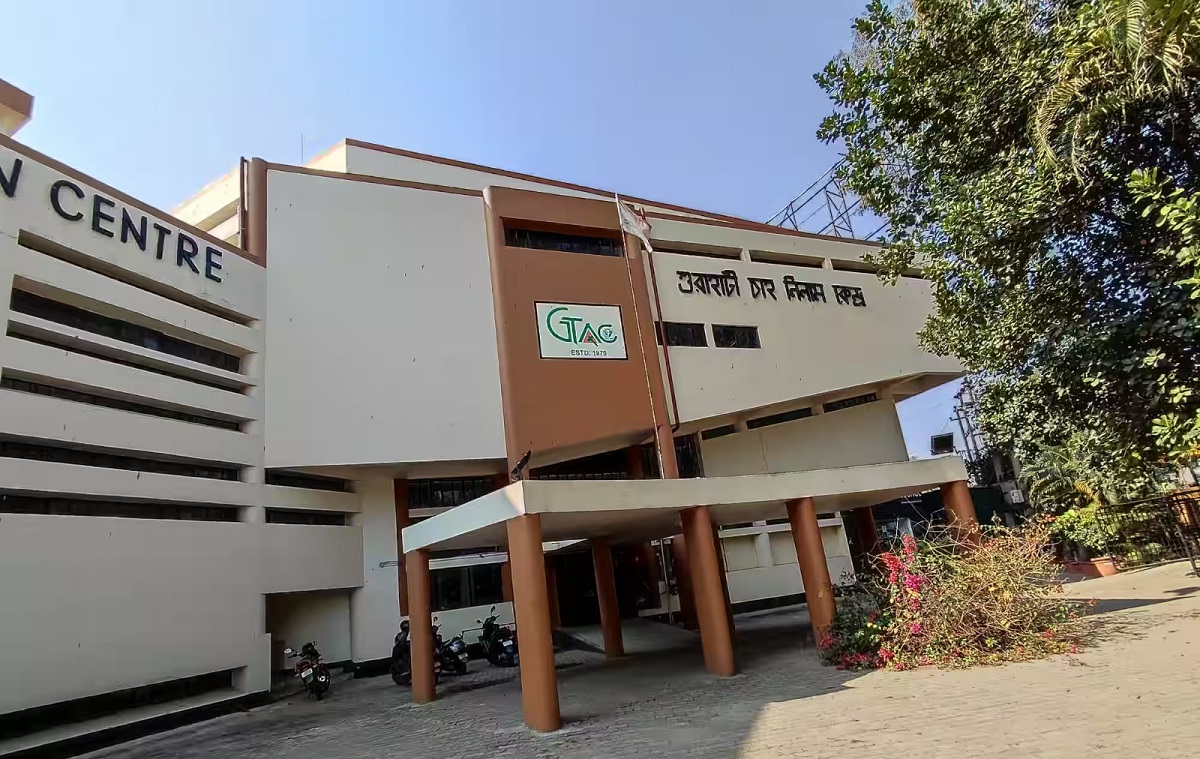
The average CTC tea price at the Guwahati Tea Auction Centre (GTAC) has dropped from Rs 264.89 in Sale No. 26 to Rs 221.57 in Sale No. 34, marking a decline of nearly 15 per cent in less than two months.
The sharp fall has raised concerns over the sustainability of the tea sector, with the Tea Association of India (TAI) warning that growers are coming under increasing financial pressure even as production is being hit by natural and climatic disruptions.
In a statement issued on Friday, the planters’ body said the tea industry was going through a particularly difficult season, with Assam among the worst affected. Large areas of tea plantations were submerged during the recent floods, damaging bushes and reducing crop output.
TAI president Shailja Mehta said auction prices across the north Indian tea industry were reflecting a “precarious state of affairs”, while flash floods, excessive heat and severe pest and disease infestations were simultaneously hampering production.
She said the sharp fall in auction prices over the past five to six weeks had created serious concerns about the future sustainability of the tea industry in Assam and West Bengal.
According to the TAI, prices declined between July and mid-August at all three major north Indian auction centres — Kolkata, Guwahati and Siliguri. The situation in Assam is particularly worrying because the state accounts for a substantial share of India’s tea production and has suffered repeated flooding this year.
The association said the decline in prices could not simply be attributed to oversupply. Tea Board data showed that north Indian tea production was around 16 million kg, or 5 per cent, higher during the first six months of the year compared with the same period in 2025. However, adverse weather conditions in the following months significantly changed the production outlook.
Data from TAI member estates indicated that tea production fell by around 8 per cent in July, with a similar decline expected in August because of flood damage in Assam and severe pest infestations in other tea-growing areas.
The association estimates that north India’s tea production could be around 8 million kg lower by the end of August compared with last year. Assam is expected to bear a significant share of the impact, as tea bushes submerged by floodwaters may require considerable time to recover, affecting production in the coming months.
The industry is also facing pressure on the export front. Although India recorded a historic tea export of 285.53 million kg in 2025, exports during January-June 2026 fell by around 23 million kg, or nearly 18 per cent, compared with the corresponding period last year, according to Tea Board data.
The TAI warned that the combination of falling auction prices, declining production prospects and rising operational expenses, including increased wage liabilities and bonus payments, was placing the industry under severe financial strain.
The association said the situation could pose a serious challenge to the long-term viability of tea cultivation in Assam and other major tea-producing regions of north India.