
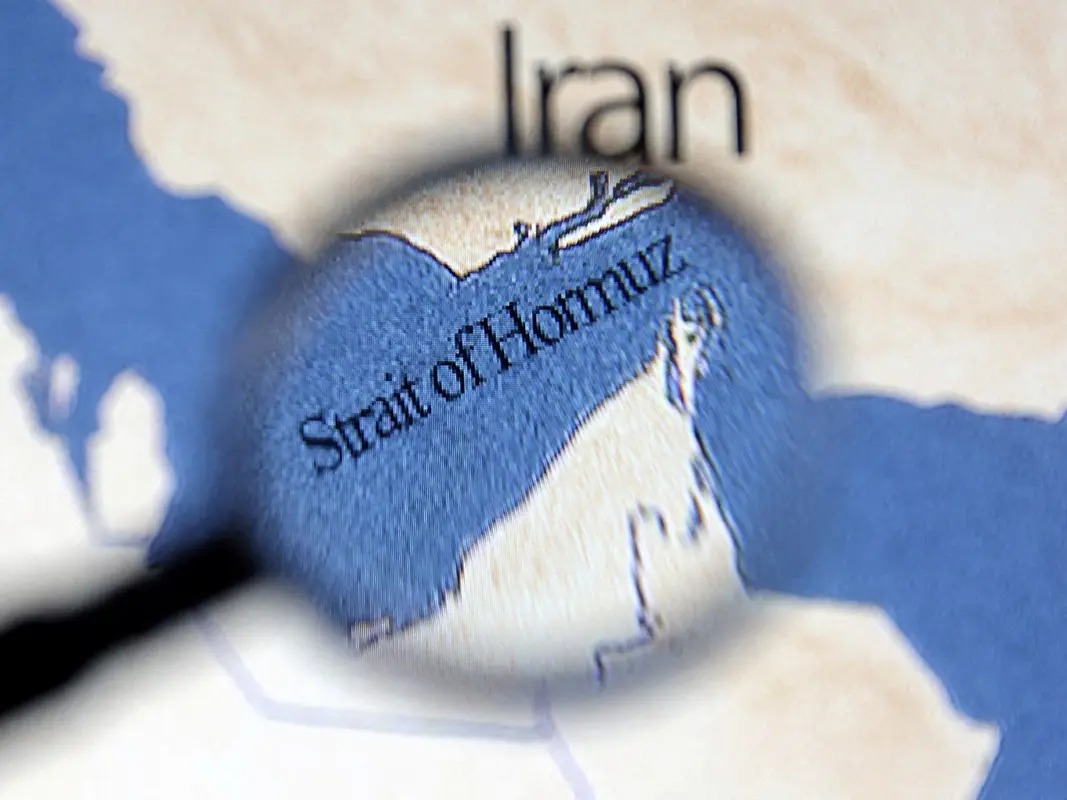
The global energy landscape continues to be defined by the economic fallout of the 2026 Iran war, as Shell becomes the latest major to report a significant jump in quarterly earnings. On Thursday, the London-listed firm announced first-quarter profits of $6.92bn (£5.1bn), comfortably exceeding analyst projections of $6.36bn. This performance marks a sharp increase from the $5.58bn recorded during the same period last year, a growth trajectory driven almost entirely by the geopolitical premium now baked into every barrel of crude. The ongoing maritime blockade of the Strait of Hormuz—a critical artery that historically facilitates 20% of the world’s oil and liquefied natural gas (LNG) traffic—has created what the International Energy Agency describes as the most severe supply disruption in history. With the strait effectively closed to commercial traffic, Brent crude has remained volatile, frequently testing levels above $120 per barrel and forcing a total realignment of international trade routes.
Shell’s results are not an isolated phenomenon but rather a symptom of a broader industry trend where volatility translates into massive trading gains. Rival energy titan BP recently reported that its quarterly profits more than doubled, while Norway’s Equinor saw its adjusted operating income hit $9.77bn, its strongest quarterly showing in three years. Despite the financial windfall, the operational reality on the ground remains precarious; Shell noted that its own production volumes fell by 4% this quarter, partly due to conflict-related damage at the Qatari Pearl gas facility. While energy companies utilize sophisticated trading desks to capture value from price swings, the broader global economy is feeling the squeeze of “energy-defensive” market shifts. As these “bumper results” continue to trigger calls for expanded windfall taxes, the industry maintains that its relentless focus on operational performance is essential for navigating a quarter defined by unprecedented disruption and the urgent need to secure alternative energy flows for a destabilized Europe and Asia.