
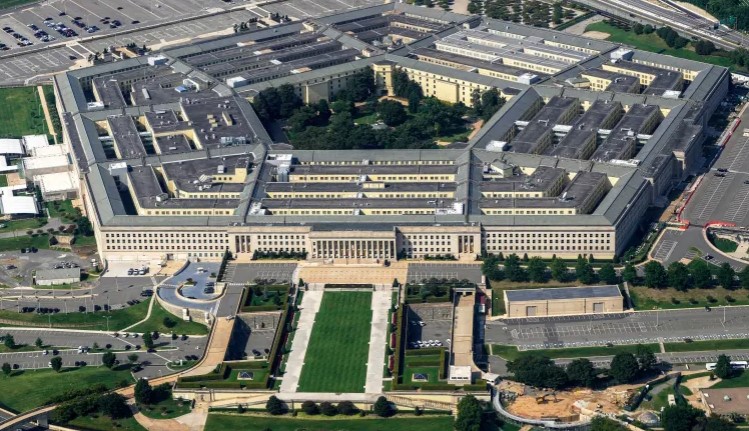
The Pentagon has issued a forceful denial following a report alleging that a financial representative for Secretary of Defense Pete Hegseth sought to make a multimillion-dollar investment in defense stocks just weeks before the outbreak of the U.S.-Israel-Iran war. The original report, published by the Financial Times, claimed that Hegseth’s broker at Morgan Stanley contacted BlackRock in February regarding a significant stake in a defense-focused Exchange Traded Fund (ETF) that holds major contractors like Lockheed Martin and RTX. In a strongly worded statement, Chief Pentagon Spokesman Sean Parnell dismissed the allegations as “entirely false and fabricated,” demanding an immediate retraction of what he characterized as a “baseless smear” intended to mislead the public during a time of national conflict. The Pentagon emphasized that Secretary Hegseth has maintained the highest ethical standards and has had no involvement in any such investment inquiries, noting that the specific fund mentioned was reportedly not even available for purchase by Morgan Stanley clients at the time.
This controversy surfaces as the regional conflict enters a critical phase, with U.S. and Israeli forces continuing a high-intensity aerial campaign against Iranian military and nuclear infrastructure. While the Financial Times stands by its reporting—citing three sources familiar with the matter—the Pentagon maintains that neither the Secretary nor his representatives ever approached BlackRock. The timing of the alleged inquiry has drawn intense scrutiny from congressional watchdogs, who are already investigating market volatility and “well-timed” bets made ahead of President Trump’s major military decisions. Despite the lack of a completed transaction, the report has ignited a firestorm in Washington, with critics calling for increased transparency regarding the private financial dealings of top administration officials. As the war continues to widen across the Middle East, the Pentagon remains focused on its strategic objectives, asserting that such “dishonest narratives” will not distract from the mission to neutralize regional threats.