In a sweeping move driven by cybersecurity concerns, the Federal Communications Commission (FCC) has announced a ban on new consumer internet routers manufactured outside the United States. The decision marks a significant escalation in efforts to secure digital infrastructure against potential foreign threats.
The new regulation adds foreign-made routers to a list of equipment deemed insufficiently secure, placing them alongside previously restricted technologies such as overseas drones. While existing devices already in use will not be affected, all new router models produced abroad must now undergo strict regulatory scrutiny before entering the US market.
According to the FCC, vulnerabilities in some foreign-made routers have been exploited by malicious actors for cyberattacks, espionage, and intellectual property theft. The agency cited multiple incidents between 2024 and 2025 where compromised routers were allegedly used to target critical infrastructure.
The move follows growing concerns in Washington over the role of foreign technology in national security risks. Investigations into recent cyber operations—reportedly linked to actors associated with China—have heightened scrutiny of globally manufactured networking equipment.
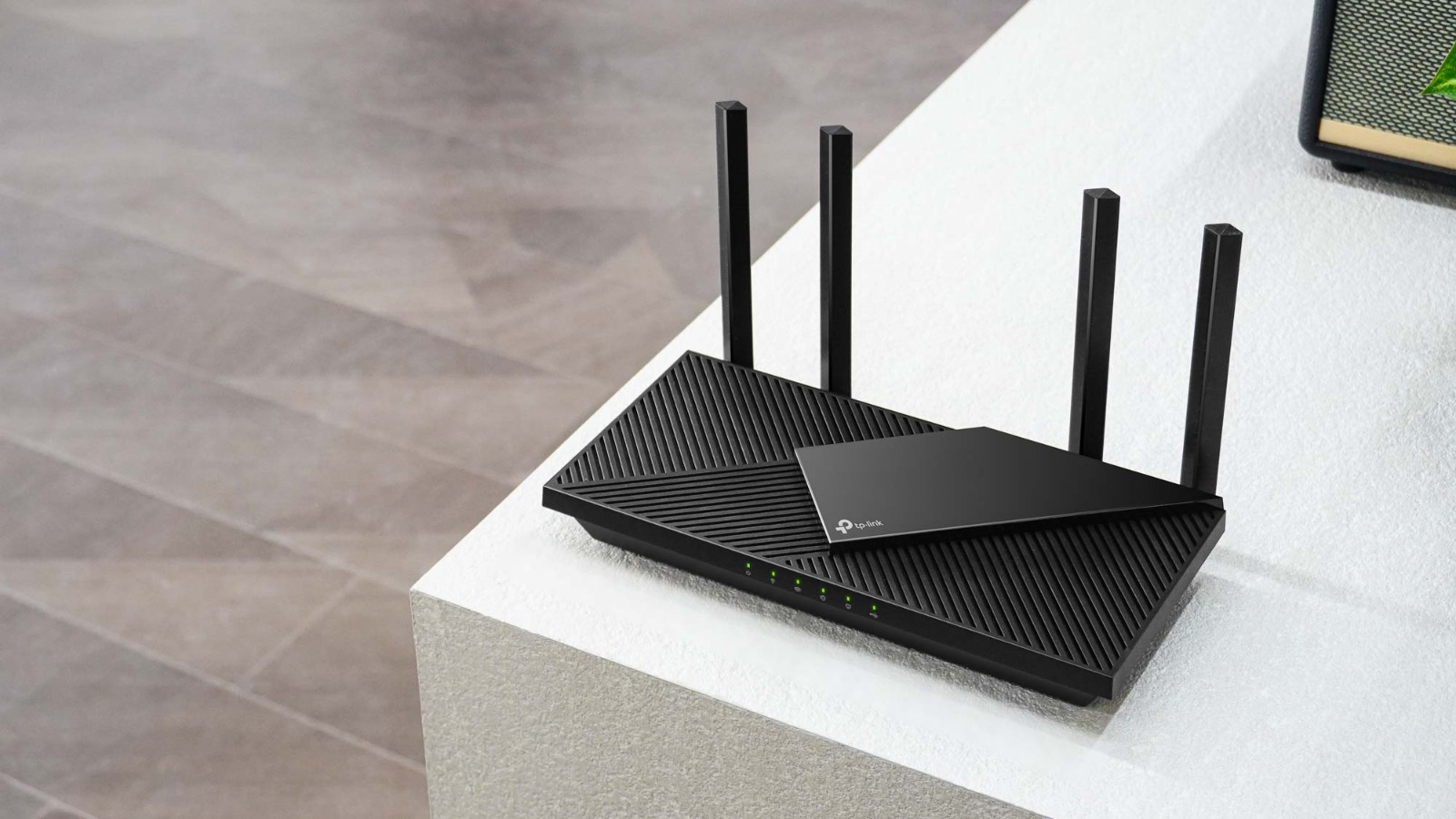
Popular global brands, including TP-Link, have come under particular attention amid reports of security vulnerabilities. Under the new rules, companies manufacturing routers outside the US must seek conditional approval from regulators, disclose foreign ownership or influence, and outline plans for potential domestic production.
Even US-based companies that manufacture devices overseas will be impacted. For instance, Netgear, a well-known brand, produces its routers outside the country and will now face additional compliance requirements.
An exception exists for routers that receive clearance from national security agencies such as the Department of Defense or the Department of Homeland Security, although no specific exemptions have yet been granted.
One notable outlier is the router developed by SpaceX under its Starlink service, which is reportedly manufactured in Texas. This positions it as one of the few domestically produced options in a market largely dominated by overseas production.
The FCC’s decision also reflects broader concerns about supply chain security and the potential for cyber disruptions affecting essential services. Officials warn that compromised routers could enable large-scale network breaches, posing risks to both public safety and economic stability.
As global technology tensions intensify, the US router ban signals a shift toward tighter control over digital infrastructure—prioritizing security while reshaping the competitive landscape for tech manufacturers worldwide.
US Tightens Tech Security, Bans New Foreign-Made Internet Routers