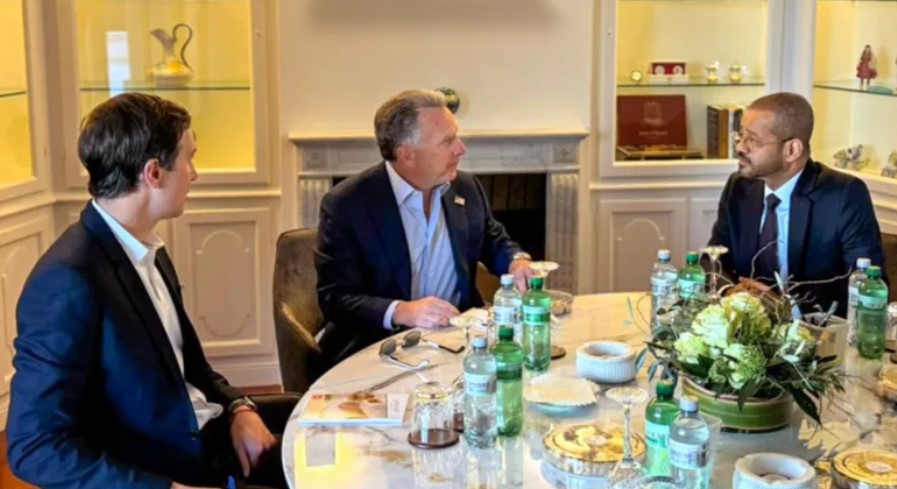
High-stakes diplomacy has returned to the world stage as representatives from the United States and Iran began a critical third round of indirect negotiations in Geneva on Thursday, February 26, 2026. These talks, mediated by Oman’s Foreign Minister Badr Albusaidi, are widely seen as a “last-chance” effort to prevent a full-scale regional conflict following a year of intense military escalation. The American delegation, led by Special Envoy Steve Witkoff and supported by Jared Kushner, is meeting with Iranian Foreign Minister Abbas Araghchi against the backdrop of a massive U.S. military buildup in the Middle East—the largest in decades. President Donald Trump has made it clear that while his preference is a diplomatic resolution to ensure Iran never acquires a nuclear weapon, he is prepared for “limited strikes” if a deal is not reached within the coming weeks.
The negotiations are unfolding in an atmosphere of extreme tension and domestic pressure for both nations. In Iran, the leadership is navigating a grave internal crisis following a severe crackdown on nationwide protests and a struggling economy crippled by renewed sanctions. Despite the ruins of its nuclear program following joint U.S.-Israeli strikes last June, Tehran continues to insist on its sovereign right to enrich uranium for peaceful purposes. Foreign Minister Araghchi, speaking just before the talks commenced, stated that while a “fair and balanced” agreement is within reach, Iran is “fully prepared for both war and peace.” He warned that any further American aggression would lead to a devastating regional war, with U.S. bases across the Middle East becoming legitimate targets.
On the American side, the administration is utilizing a “maximum pressure” strategy, combining diplomatic outreach with new rounds of sanctions targeting Iran’s oil trade and “shadow fleet.” Vice President JD Vance recently reiterated that the ultimate military objective remains the permanent prevention of an Iranian nuclear arsenal. While both sides remain sharply divided over the sequencing of sanctions relief and the extent of future international inspections, there is a glimmer of hope for an interim deal that could halt high-level enrichment in exchange for partial economic reprieve. As the talks continue in Switzerland, the global community remains on edge, recognizing that the outcome of these discussions will determine whether the Middle East moves toward a fragile peace or a catastrophic escalation