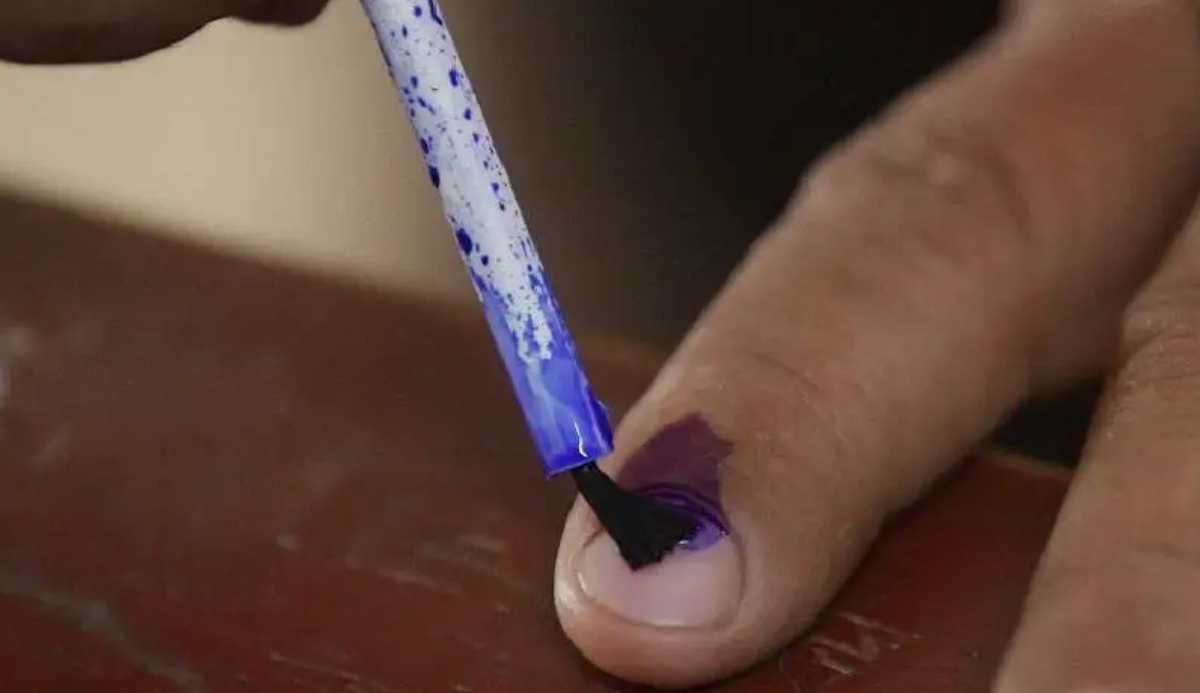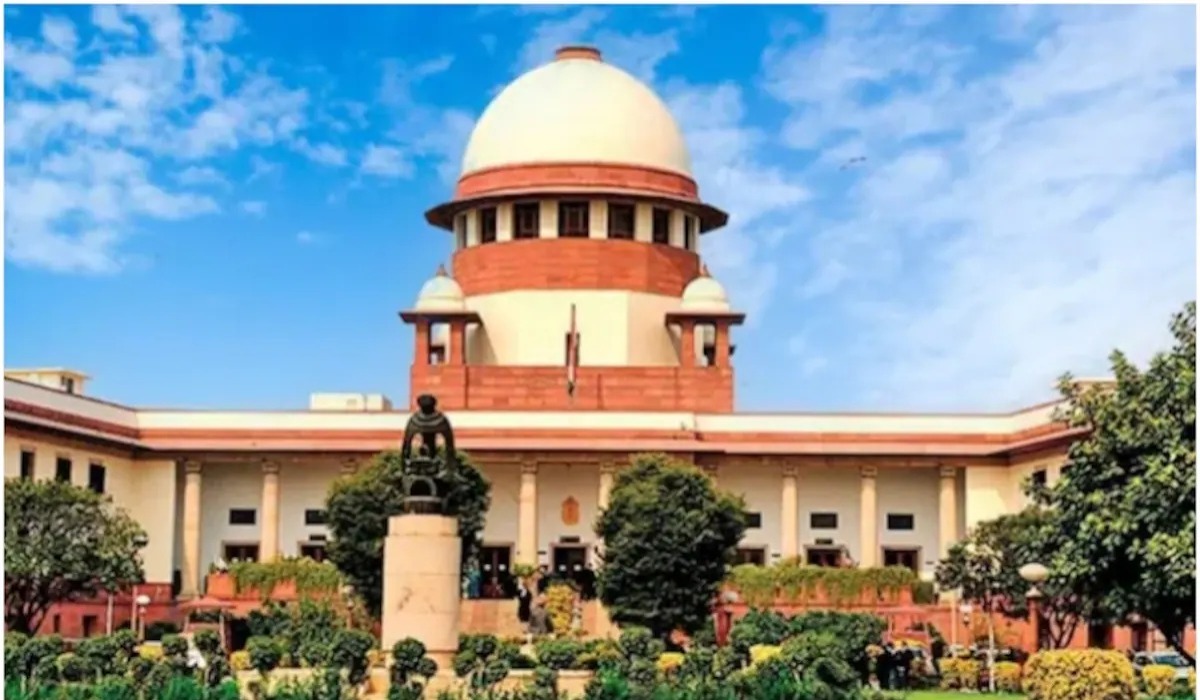
In accordance with the Election Commission of India’s (ECI) Special Intensive Revision (SIR) effort, the Supreme Court extended by one week the deadline for publishing the final electoral roll in West Bengal. The final list will now be issued following the longer timeline, which was initially planned for February 14. The Court observed that more time was required for Electoral Registration Officers (EROs) and Assistant Electoral Registration Officers (AEROs) to carefully review documentation and reach informed conclusions. Regarding claims of violence during the SIR process, the Court also sent a show-cause notice to West Bengal’s Director General of Police (DGP).
It instructed the DGP to provide an explanation of the measures adopted to ensure law and order throughout the revising process. Additionally, the Court requested that the West Bengal government provide a list of 8,505 officials who were suggested for deputation to help with the revision process by Tuesday at 5 p.m. The Court made it clear that these officers would only support the procedure and that the EROs would still have the last say. By sending a show-cause notice to the DGP and declaring that it would determine the ECI’s authority after hearing the response, the Court also addressed claims made in the ECI’s counter-affidavit regarding the ECI’s failure to act on complaints concerning the burning of objection forms (Form-7).
Senior Advocate Shyam Divan, speaking on behalf of Chief Minister Mamata Banerjee, said during the hearing that of the 7.08 crore voters in the draft list, 6.75 crore had been mapped and 32 lakh had not. Additionally, he pointed out that 1.36 crore names were included to the list of names with logical discrepancies because of small changes like “Dutta-Datta” and “Roy-Ray.” Senior Advocate Abhishek Singhvi contended that the ECI had hired micro-observers from outside Bengal who were not conversant with the local language and administrative structure, while Divan told the Court that the State had sent over 8,500 Group-B officials. He took issue with the exclusion of qualified State authorities. The Chief Justice explained that the purpose of micro-observers was to support EROs and AEROs, not to make decisions on their own.