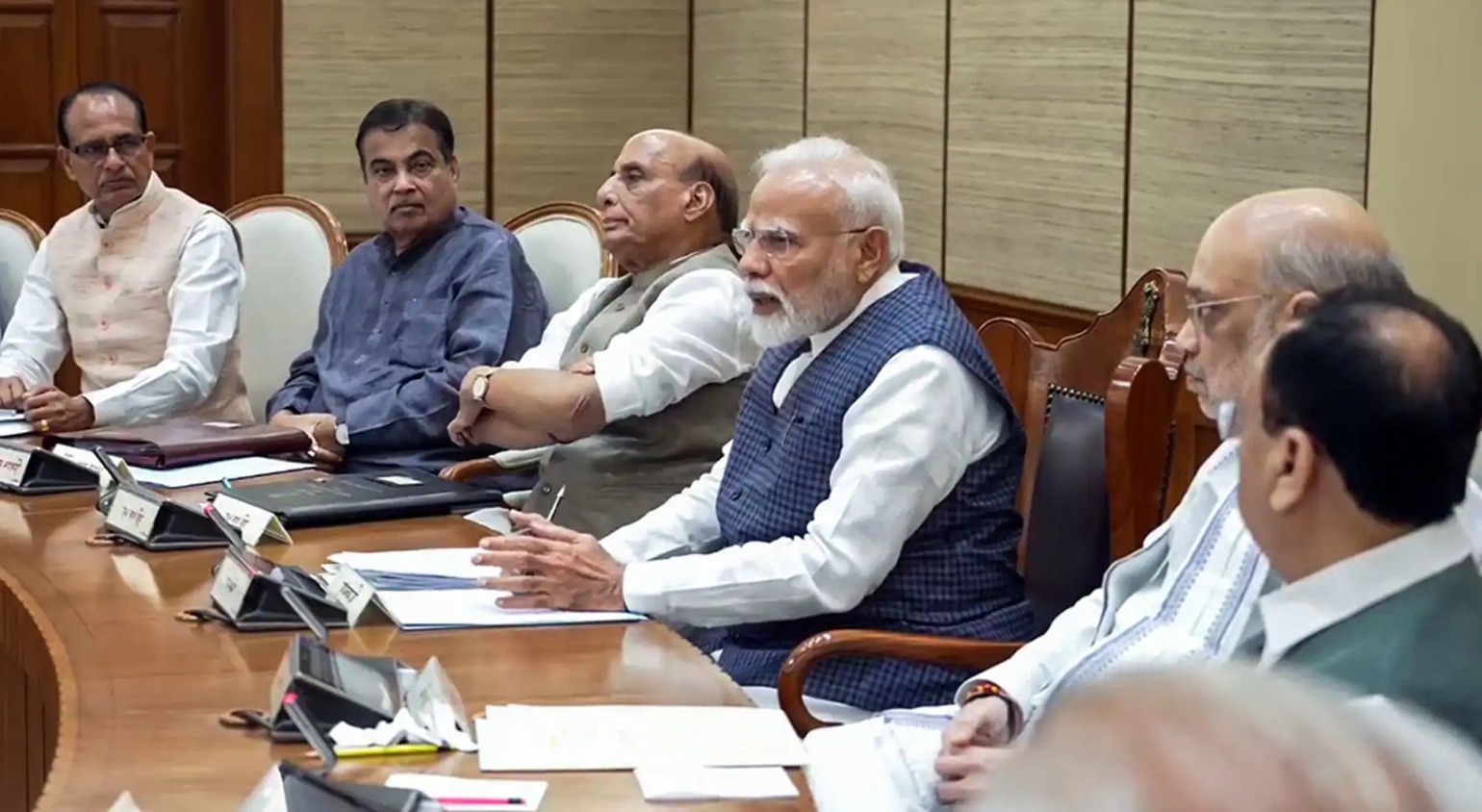
The Viksit Bharat-Guarantee for Rozgar and Ajeevika Mission (Gramin): VB-G RAM G Bill, 2025 was introduced in the Lok Sabha by Shivraj Singh Chouhan, Union Minister for Rural Development and Agriculture & Farmers’ Welfare. The government is determined to enact the bill within the current legislative session, according to sources. Citing the change from Jawahar Rozgar Yojana to NREGA and then MGNREGA as examples of a continual evolution in rural employment policy, the governing side contends that renaming employment plans is not new.
According to sources, since VB-G RAM G is a new program that needs a new legal structure, failing to pass the bill in this session could make budgetary provisions more difficult. After the new law is passed, rural workers will have to re-register in order to get benefits. In line with the national goal of Viksit Bharat @2047, the proposed legislation seeks to create a new framework for rural development. The law aims to give every rural household whose adult members voluntarily perform unskilled manual labor a statutory guarantee of 125 days of paid employment in each fiscal year.
The bill aims to promote empowerment and growth in rural India by renaming and restructuring the Mahatma Gandhi National Rural Employment Guarantee Act (MGNREGA) into the VB–G RAM G Scheme. This proposal has met with opposition criticism, particularly from Congress leaders, who accuse the government of undermining MGNREGA’s legacy. In response to employment guarantees, the government highlighted that 40 lakh families received work under MGNREGA. The proposed scheme plans a Rs 7.50 lakh crore allocation over five years, increasing guaranteed workdays from 100 to 125 and aiming to redefine rural employment in India.