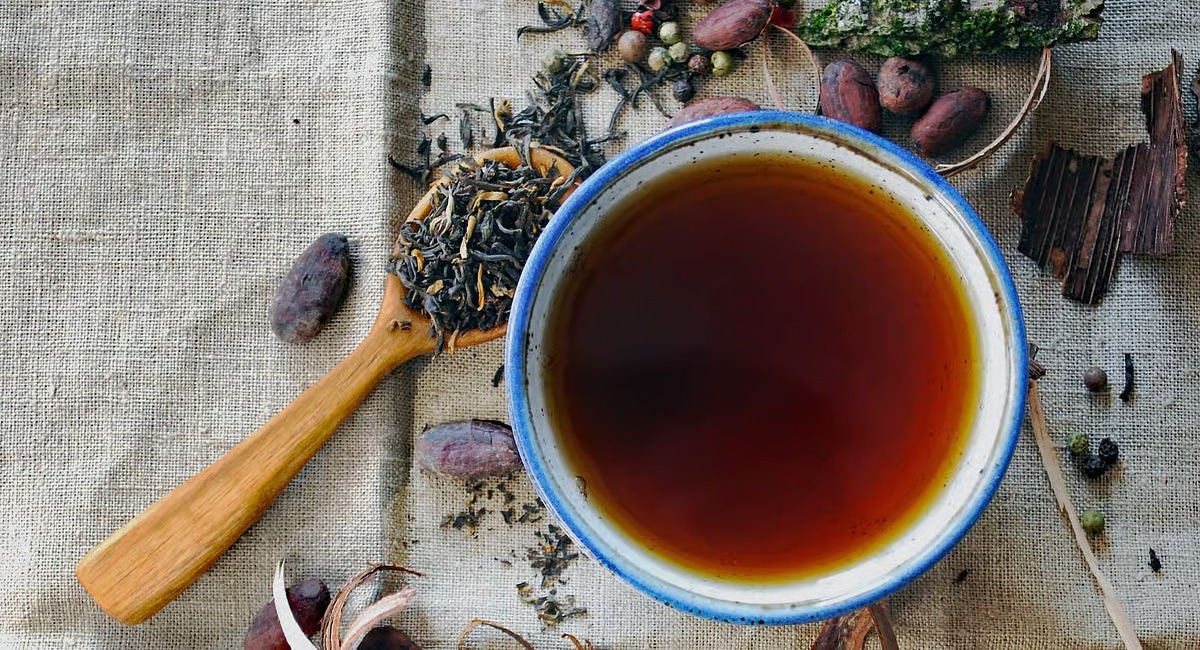
In a formal clarification, the Food Safety and Standards Authority of India (FSSAI) instructed food business owners not to use the term “Tea” for herbal, floral, or other plant-based infusions, limiting its use to products made from the Camellia sinensis plant. The clarification was released with the intention of preventing deceptive labeling and guaranteeing adherence to food safety laws. According to the FSSAI’s regulatory statement, a number of food business owners were selling goods that weren’t made from Camellia sinensis under the labels “Herbal Tea,” “Flower Tea,” and “Rooibos Tea.”
The authorities explained that Tea, including green Tea, instant Tea, and regional variations like Kangra Tea, must only come from Camellia sinensis in accordance with the Food Safety and Standards (Food Product Standards and Food Additives) Regulations, 2011. The agency added that food labels must explicitly state the genuine nature of the product on the front of the package in accordance with the Food Safety and Standards (Labelling and Display) Regulations, 2020. According to the Food Safety and Standards Act of 2006, using the term “Tea” for plant-based or herbal infusions that are not made from Camellia sinensis is deceptive and amounts to misbranding.
However, the term “Tea” cannot be used in any way to market or sell them. All food business owners, including those involved in e-commerce, manufacturing, packing, importing, and selling such goods, have been instructed by FSSAI to adhere to the rules to the letter. State and Union Territory food safety commissioners, as well as regional FSSAI directors, have been ordered to provide strict oversight and enforcement. The authority reaffirmed its position on clear labeling and consumer protection by warning that non-compliance would prompt action under the provisions of the Food Safety and Standards Act, 2006 and related rules and regulations.