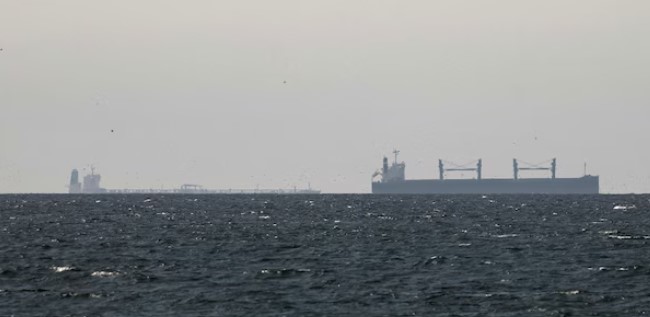
The Iranian government has officially moved to quell international alarm following reports that it was charging merchant vessels up to $2 million for safe passage through the conflict-hit Strait of Hormuz. In a formal statement issued on Monday, March 23, 2026, the Embassy of Iran in India characterized the claims as “entirely unfounded” and clarified that they do not reflect the state’s official maritime policy. The controversy erupted after Alaeddin Boroujerdi, a member of the Iranian Parliament’s National Security Committee, suggested in a televised interview that Tehran should impose transit fees to offset the mounting costs of the ongoing war with the United States and Israel. Boroujerdi had framed the proposed $2 million levy—equivalent to roughly PKR 55.6 crore or ₹16.8 crore—as an assertion of Iran’s sovereign “authority” over the world’s most critical energy chokepoint, through which 20% of global oil and LNG supplies pass.
Iranian diplomatic missions have since distanced the government from these remarks, emphasizing that any such statements merely represent the “personal views” of individual lawmakers. While the Strait of Hormuz has remained effectively paralyzed by a selective blockade since early March, Iranian officials maintain that the waterway remains open to all except “enemy” nations or those supporting aggression against Tehran. Despite the denial of a formal fee structure, the situation on the ground remains highly restrictive; shipping insurance rates have surged by over 400%, and most commercial traffic has come to a near-standstill. The clarification comes at a sensitive moment, as a fragile five-day “strike pause” announced by U.S. President Donald Trump has temporarily halted plans to target Iranian power plants, providing a narrow window for negotiators to discuss the permanent restoration of safe maritime transit without the imposition of unilateral tolls.