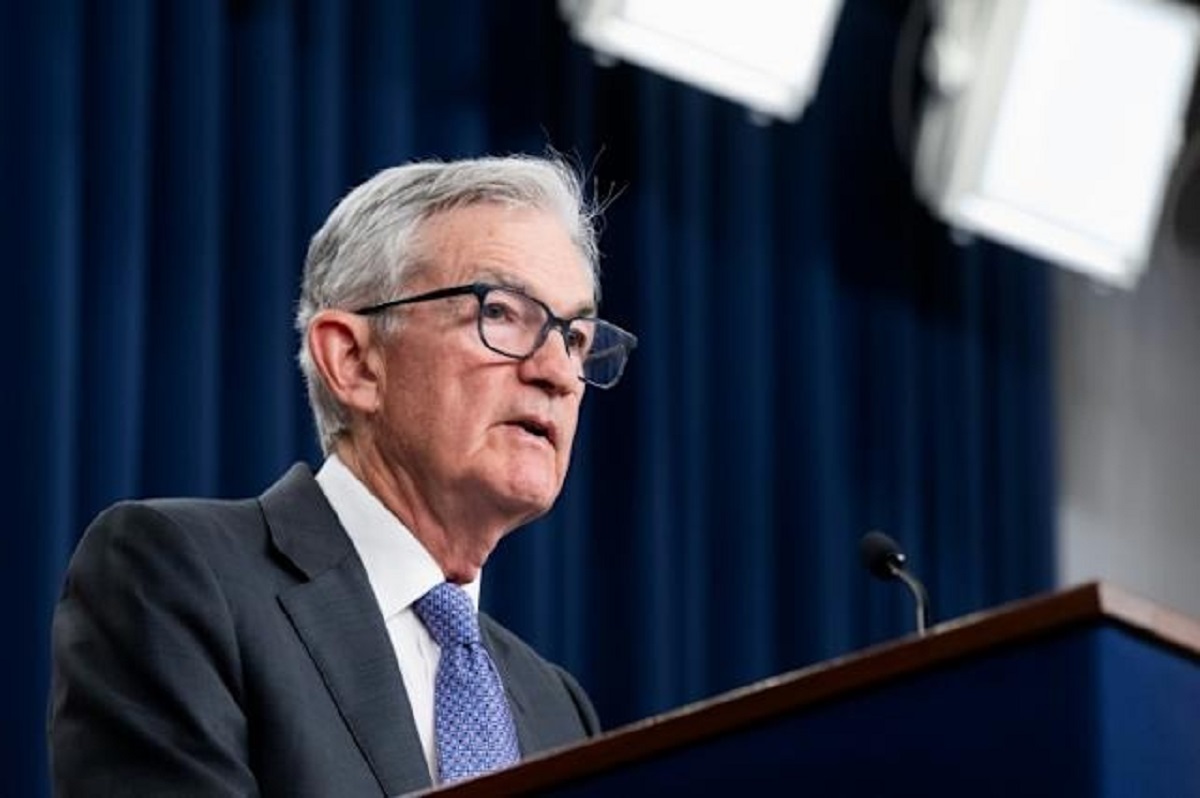
The dollar declined and U.S. equity futures fell on Monday following comments from Federal Reserve Chair Jerome Powell about threats from the Trump administration regarding a potential criminal indictment, raising concerns over the Fed’s independence. The Swiss franc strengthened by 0.4% to 0.7979 per dollar, and the euro rose 0.17% to $1.1656, although traders noted uncertainty regarding the implications for interest rates.
Fed funds futures indicate a slight increase of about three basis points in expected interest rate cuts this year, suggesting a potential for the Fed to act more aggressively. Gold prices reached a record high of over $4,600 per ounce, driven by geopolitical tensions, particularly unrest in Iran. While European stock futures declined, Asian stocks rose, particularly in the technology sector, following data suggesting a stable U.S. labor market despite a slowdown in employment growth. Japanese markets were closed for a holiday.
On Sunday, Powell claimed the Trump administration threatened him with a criminal indictment and issued grand jury subpoenas related to his Congressional testimony on a Fed building renovation, which he described as a “pretext” to pressure the central bank into lowering interest rates. This marks a significant escalation in the conflict between Powell and Trump, dating back to Powell’s tenure as chair beginning in 2018. Andrew Lilley, chief rates strategist at Barrenjoey, noted that Trump is undermining central bank independence and is resorting to pressure tactics since he cannot control the Fed. Although this may concern investors, Lilley believes the cash rate will remain aligned with the majority opinion of the FOMC.
The dollar experienced a significant decline, falling against risk-sensitive currencies like the Australian and New Zealand dollars. The dollar index dropped 0.3%, marking its largest one-day decline since mid-December. In 2025, the dollar had a poor performance, decreasing over 9% against major currencies due to reduced interest rate differentials from the Fed’s rate cuts and rising concerns about U.S. fiscal deficits and political instability. National Australia Bank’s currency strategy head, Ray Attrill, remarked that the ongoing conflict between the Fed and the U.S. administration negatively affected the dollar’s perception. Additionally, threats from Trump regarding intervention in Iran amidst escalating protests contributed to oil price stability and highlighted geopolitical uncertainties for the upcoming year.
Benchmark Brent crude futures decreased by approximately 40 cents to $62.90 a barrel after significant gains in recent sessions.