The Central Bureau of Investigation (CBI) has widened its probe into the alleged NEET-UG 2026 paper leak, with investigators now examining the possibility of an “insider role” in the breach of one of India’s most high-security entrance examinations. The development comes as another suspect was arrested from Pune and a retired chemistry professor in Maharashtra’s Latur was detained for questioning.
With the latest arrest, the total number of people taken into custody in the case has risen to seven. Sources linked to the investigation said the agency is now focusing on whether the leak originated from within the official chain of custody before the medical entrance examination held on May 3 was cancelled following reports of the leak.
CBI officials are seeking detailed information from the National Testing Agency (NTA), which conducts the NEET examination, regarding every individual who had access to the question papers before they were sealed and distributed. Investigators are reportedly examining the entire question paper preparation process, including the roles of subject experts, professors, teachers and translation panel members involved in drafting and translating the exam.
In Pune, the newly arrested suspect was identified as Manisha Waghmare, a beauty parlour owner from the Sukhsagar Nagar area. According to investigators, Waghmare allegedly acted as an intermediary linked to Dhananjay, a Bachelor of Ayurvedic Medicine and Surgery (BAMS) graduate who operated an educational consultancy in Pune. Dhananjay was among six people arrested earlier from different locations including Jaipur, Gurgaon, Nasik and Ahilya Nagar.
Investigators alleged that Waghmare had received money through nearly two dozen bank accounts ahead of the examination, indicating a possible financial network connected to the paper leak operation.
The CBI said searches were conducted at 14 different locations on Thursday as part of the expanding investigation. Officials indicated that several other suspects are currently being questioned and more arrests are expected in the coming days.
In Maharashtra’s Latur district, a retired chemistry professor associated with Dayanand Sagar College was detained for questioning. Sources claimed the professor had access to the full NEET question paper as part of a translation panel responsible for preparing the Marathi-language version of the exam. NEET is conducted in 13 languages, requiring multiple confidential translation workflows, which investigators are now scrutinising closely.
Authorities have not officially disclosed the professor’s identity or detailed role due to the sensitivity of the investigation. However, Latur has emerged as a major focus area after allegations surfaced that a private coaching institute had conducted a mock test containing 42 questions that reportedly matched those appearing in the actual NEET paper.
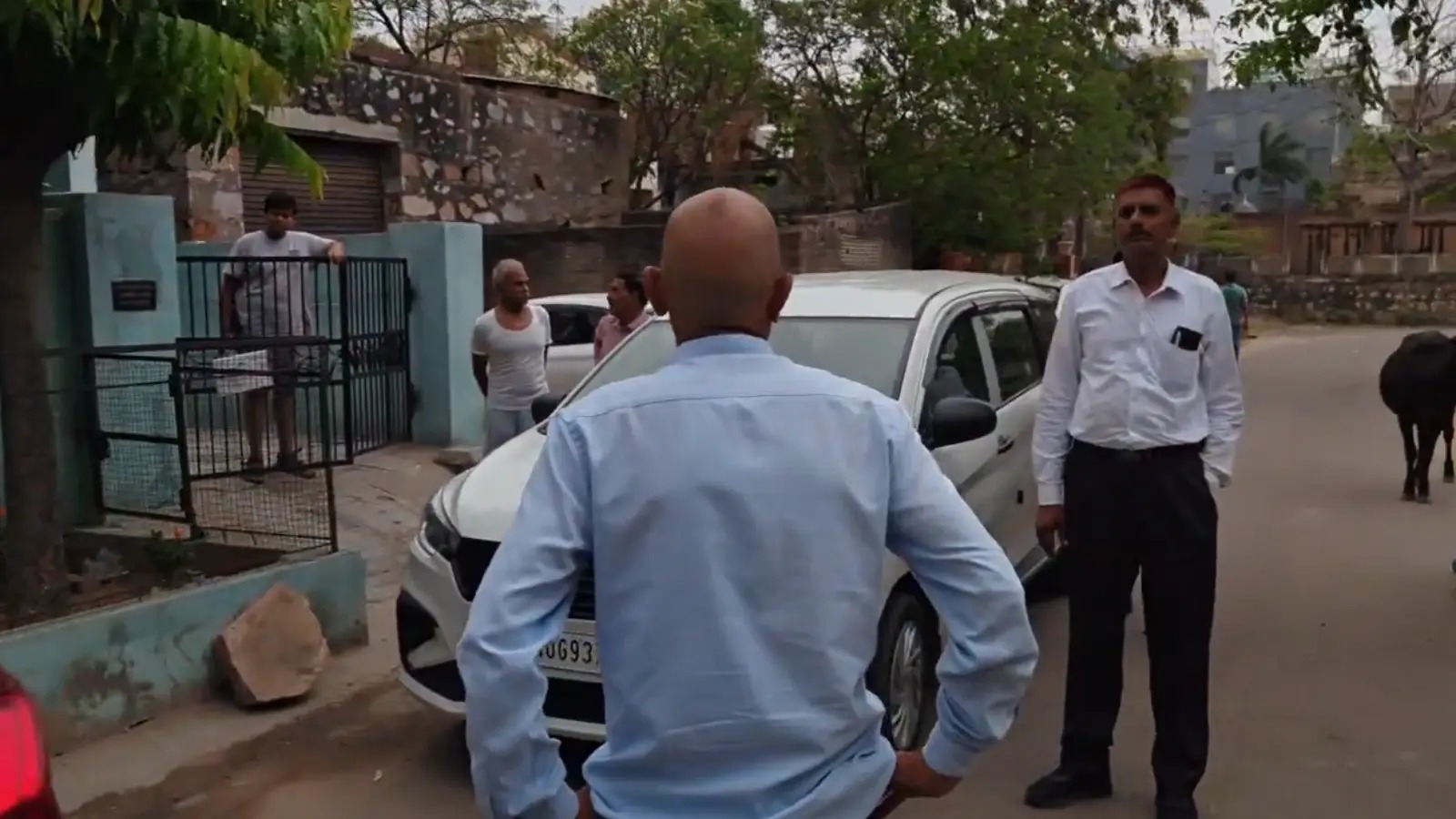
In Rajasthan, investigators suspect that one of the accused, Dinesh Biwal, may have scanned a hard copy of the leaked question paper and circulated it digitally. According to the probe, he allegedly received the paper from another accused, Yash Yadav of Gurgaon, for his son and later distributed or sold it to students in Sikar district.
During proceedings in a Delhi court, the CBI argued that the leak was part of a “larger conspiracy” operating across multiple states. The agency sought extended custody of the accused, stating that further interrogation was necessary to identify additional conspirators, recover digital evidence, trace financial transactions and examine whether any NTA officials were directly or indirectly involved.
Meanwhile, Union Education Minister Dharmendra Pradhan held a high-level meeting with senior officials in New Delhi to discuss arrangements for the fresh NEET examination, which is expected to be conducted again following the cancellation of the earlier test. Authorities are yet to announce the revised examination dates.
The case has triggered widespread concern among students and parents across the country, raising fresh questions about the security and integrity of national-level competitive examinations.
Insider Angle Under Scanner in NEET Leak Investigation by CBI