
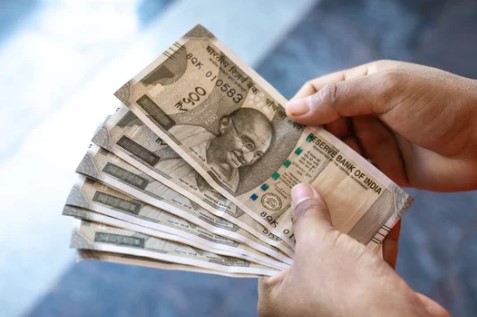
The Indian rupee has hit an all-time low of 95.63 levels against the US dollar this week as a toxic mix of geopolitical instability and investor caution continues to batter the domestic currency. The chief culprit for this downward spiral is the persistent conflict in West Asia, which has pushed Brent crude prices past the $105 per barrel mark. With India importing more than 85% of its energy needs, the steep hike in oil prices has substantially inflated the country’s import bill, stoking aggressive demand for dollars and widening the current account deficit.
These external pressures are compounded by the continued exit of foreign institutional investors (FIIs) from Indian financial markets. FIIs have pulled billions of dollars out of domestic equities and sought the relative safety of US assets amid global economic uncertainty since the escalation of the conflict early this year. This massive outflow of capital renders rupee highly vulnerable and Reserve Bank of India (RBI) has been intervening only intermittently to provide temporary relief.
Recent calls for austerity from government leadership, meant to encourage fiscal discipline, are seen by analysts as indicative of growing pressure on India’s fiscal and external balance sheets, further exacerbating fragile market sentiment. Economists say the currency is likely to remain under pressure as long as crude prices remain high and geopolitical tensions continue to disrupt global supply chains, especially through the key Strait of Hormuz. The psychological barrier of Rs 96 to the dollar is now in focus and the urgent, central macroeconomic imperative for policymakers is to manage external financing and prevent further rapid depreciation to stabilize the economy.