
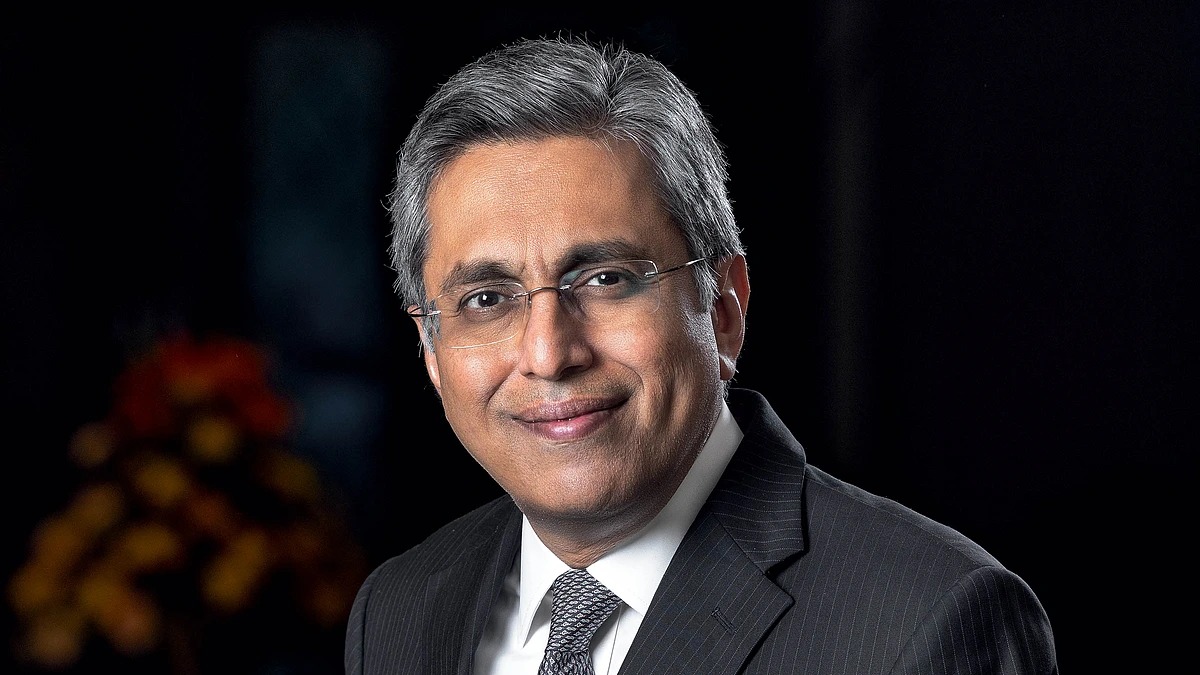
Mahindra & Mahindra (M&M) is fundamentally restructuring its supply chain to survive an era of persistent geopolitical shocks. Managing Director and CEO Anish Shah recently revealed a granular risk-mapping exercise covering ₹100,600 crore in purchases, identifying 82 part families and nine commodities as “high risk.” This move signals a shift from temporary fixes to a permanent, resilience-led operating model.
The strategy, detailed following the company’s fourth-quarter results, moves beyond the traditional efficiency-first approach. By analyzing over 100,000 parts, M&M has identified vulnerabilities across geopolitical, regulatory, and logistics dimensions. To mitigate these, the group has implemented a multi-layered defense system: increasing inventory buffers, localizing alternate suppliers, and establishing a dedicated “intelligence desk” to track global disruptions in real-time.
“It’s never going to be perfect in the world around us,” Shah noted, acknowledging that while risks cannot be eliminated, the company is now in a far stronger position to react quickly. This proactive stance has already helped the firm navigate critical shortages in semiconductors, memory chips, and rare earth materials. Notably, the company is aggressively sourcing memory chips from the aftermarket to build inventory, prioritizing production continuity over immediate cost savings.
In the automotive sector, M&M is pairing operational de-risking with product flexibility. Executive Director Rajesh Jejurikar highlighted the new NU_IQ platform, which allows both internal combustion engine (ICE) and electric vehicle (EV) models to be built on a common base. This “fungibility” allows the company to shift production mix based on component availability and market demand, reducing reliance on specific high-risk technologies.
Simultaneously, the group is pruning its international portfolio to reduce complexity. M&M has exited underperforming ventures, including its stake in Sampo and the liquidation of its Mitsubishi agricultural machinery business in Japan. By sharpening its focus on core markets, the company is effectively shortening its supply lines and tightening control over its sourcing ecosystems.
This resilience framework is now a core pillar across the entire Mahindra Group. From secured funding buffers in financial services to lower import dependence in various verticals, the company is embedding the ability to withstand global shocks directly into its corporate DNA.