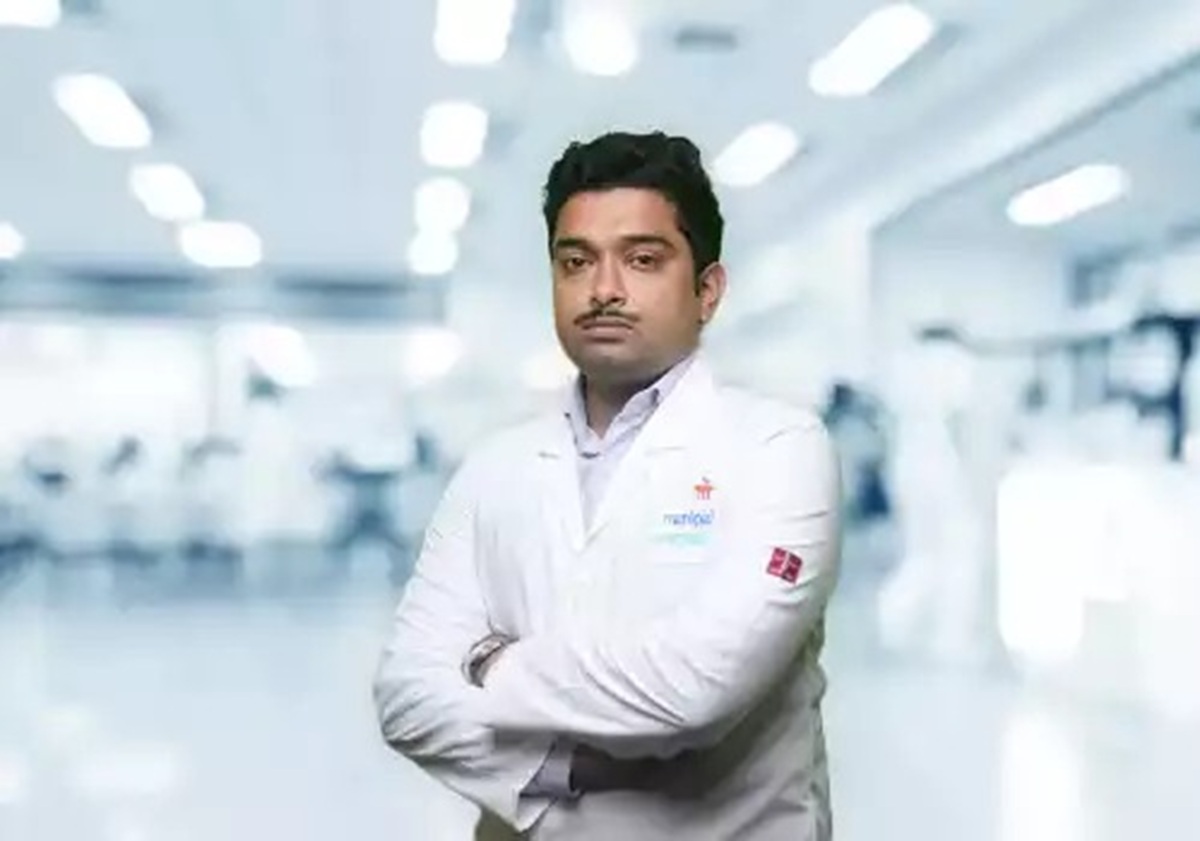
By Dr. Prithwijit Moitra, Associate Consultant – Radiation Oncology, Manipal Hospital, Rangapani
Cancer remains one of the leading causes of morbidity and mortality worldwide, accounting for nearly 10 million deaths annually. In India alone, over 1.4 million new cases are reported each year, with numbers steadily rising due to changing lifestyles, ageing populations, and environmental factors. Yet a crucial and often underemphasized fact is that nearly 30–50% of cancers are preventable. Modern oncology has therefore evolved beyond treatment, placing strong emphasis on prevention, early detection, and risk reduction principles that align closely with established screening frameworks and public health approaches.
The Role of Lifestyle in Cancer Prevention
Lifestyle choices play a defining role in cancer risk. Tobacco use remains the single largest preventable cause, responsible for nearly 27% of cancers in India, including a majority of oral and lung cancers. The widespread use of smokeless tobacco further contributes to India’s high burden of oral cancer. Importantly, quitting tobacco at any stage can significantly reduce cancer risk within 5–10 years.
Diet and physical activity are equally critical determinants. Diets high in processed foods and low in fruits and vegetables increase the risk of gastrointestinal and colorectal cancers, whereas fibre-rich, antioxidant-loaded diets offer protective benefits. Physical inactivity and obesity are linked to at least 13 types of cancers, including breast and endometrial cancers. With increasingly sedentary urban lifestyles, these risks are becoming more pronounced.
Maintaining a healthy weight, engaging in regular physical activity, and limiting alcohol intake are therefore not just general wellness advice they are scientifically proven strategies to reduce cancer incidence across populations.
Vaccines: A Breakthrough in Cancer Prevention
One of the most significant advancements in preventive oncology is vaccination against cancer-causing infections, which account for nearly 15% of cancers globally.
The Human Papillomavirus (HPV) vaccine can prevent up to 90% of cervical cancer cases. In India, cervical cancer remains one of the most common cancers among women, with over 120,000 new cases and more than 75,000 deaths annually. Administering the HPV vaccine during adolescence, before exposure to the virus, provides maximum protection and has the potential to drastically reduce disease burden.
Similarly, the Hepatitis B vaccine plays a key role in preventing liver cancer. Chronic Hepatitis B infection is a major cause of hepatocellular carcinoma, and widespread immunization has been shown to significantly lower incidence rates.
These vaccines represent a shift from reactive to proactive healthcare, offering long-term protection and reducing the strain on healthcare systems.
The Importance of Regular Screening
While prevention reduces risk, early detection remains central to effective cancer control. Screening enables identification of cancer at an early stage often before symptoms appear leading to significantly better outcomes.
For example, breast cancer has a five-year survival rate exceeding 90% when detected early, compared to less than 30% in advanced stages. Cervical cancer screening through Pap smears and HPV testing can identify precancerous changes, allowing timely intervention. Colorectal cancer screening can reduce mortality by up to 60%, while routine oral examinations are particularly critical in India due to high tobacco use.
Screening also helps detect precancerous conditions, reduces the need for aggressive treatments, and improves quality of life. However, despite its proven benefits, screening uptake in India remains low due to lack of awareness, stigma, and fear. Strengthening organized screening programs and integrating them into routine healthcare is essential.
Who Is at Higher Risk?
Certain groups are at a higher risk and require targeted preventive strategies. These include tobacco users, individuals with a family history of cancer, those with obesity and sedentary lifestyles, and people with chronic infections such as HPV and Hepatitis B. Occupational exposure to carcinogens and advancing age particularly beyond 50 years also increases risk.
Recognizing these factors enables personalized screening and timely interventions, improving outcomes and reducing disease burden.
Bridging the Gap: Awareness and Action
A major challenge in cancer control is the gap between available scientific knowledge and its implementation. In India, over 60% of cancers are diagnosed at advanced stages, when treatment options are limited and outcomes are poorer.
This gap is driven by lack of awareness, misconceptions, fear of diagnosis, and limited access to screening facilities. Many individuals still associate screening with the presence of symptoms, rather than viewing it as a preventive tool.
Addressing this requires a multi-pronged approach public health campaigns, community outreach, workplace wellness initiatives, and active involvement of healthcare providers. Normalizing preventive healthcare through routine check-ups, vaccination, and lifestyle modification can significantly improve early detection rates and reduce mortality.
In conclusion, cancer prevention is no longer an abstract concept but a scientifically validated strategy. By combining healthy lifestyle choices, effective vaccination, and regular screening, we can shift the focus from treatment to prevention ultimately saving lives and reducing the overall burden of cancer.